Imabari Castle

今治城·Imabari-jo

D Tourism Score 55/100
B Defense Score 79/100

The master castle builder's seawater masterpiece — Imabari's tidal moats are a brilliant piece of military engineering that doubles as the start of Japan's best cycling route.

#79 — 100 Famous Castles Reconstructed
Imabari Castle (今治城)
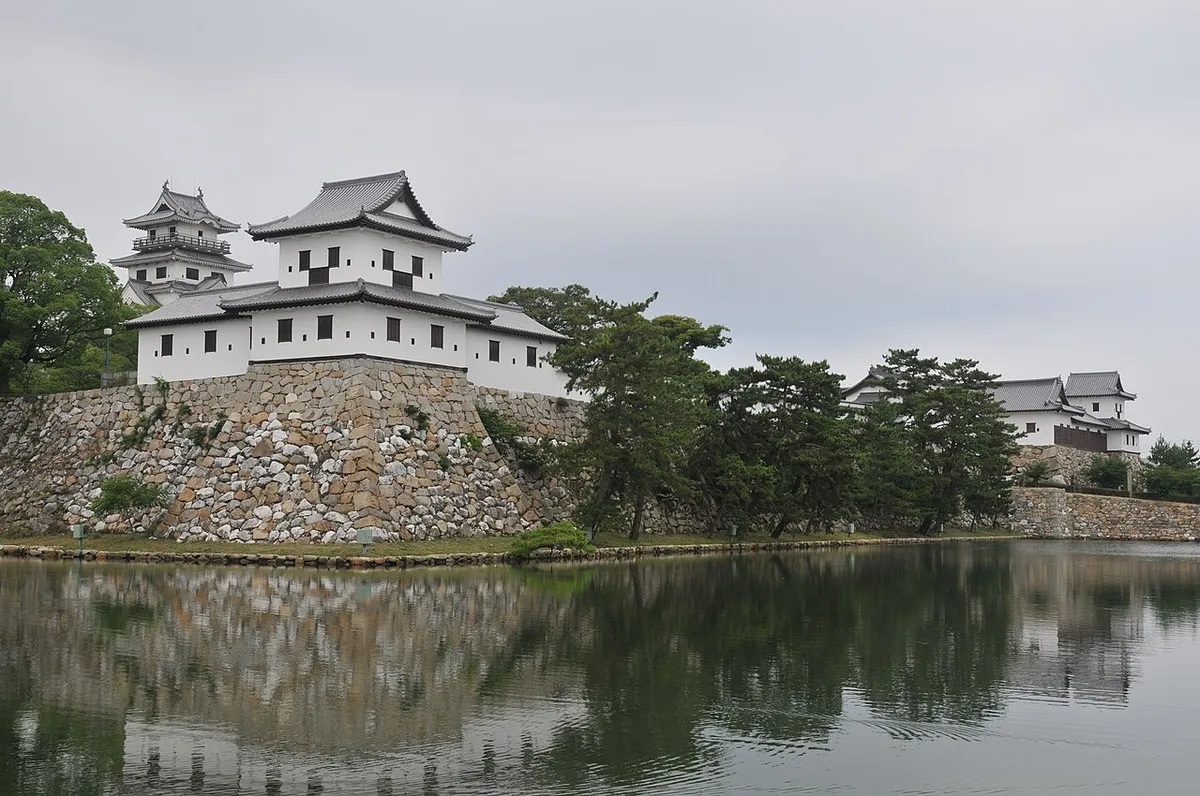
Photo:Reggaeman/Wikimedia Commons/CC BY-SA 3.0

Quick Facts

Quick Facts

Admission
¥520

¥260

Hours
09:00 – 17:00

Last entry 16:30

Nearest Station
Imabari Station (JR Yosan Line)
Walk from Station
15 min walk

Bus also available

Time Needed
1-1.5 hours

Children (elementary school age and under) free. Admission covers the main tower museum. Castle grounds are free to enter.

Defense Overview

Defense Overview

Why Imabari Castle was hard to attack

This castle is hard to attack because water barriers shape the entire approach and keep attackers from pressing straight into the defended center.

An attacker would have to deal with water-shaped access before pressing into the defended core. They would have to cross water barriers or moat lines, pass tighter turns and chokepoints, and face more defensive depth after the first line.

Overall score

79/100

Estimated range

73–85

Confidence

A

Strong multi-source support

This is a site-original comparison score for learning and comparison, not a reconstruction of one historical battle.

Radar view

Terrain 15/20 Entrance 16/20 Internal 16/20 Siege 16/20 Oversight 16/20
How this estimate was built+

This estimate combines broad terrain, approach, layout, and route-control signals. It is meant to explain the castle's defensive logic in plain English, not reconstruct a single historical attack.

Terrain Advantage

How much the terrain itself seems to help: height, slope, ridges, cliffs, water edges, and limited approach directions.

15/20

Entrance Defense

How awkward and dangerous the first entry looks: gates, bridge or moat crossings, chokepoints, and forced turns.

16/20

Internal Complexity

How hard it seems to keep pushing after entry: layered baileys, depth, compartmentalization, and repeated defensive lines.

16/20

Siege Endurance

A rough sense of long-hold potential: moats, water access, space, storage plausibility, and defensive staying power.

16/20

Strategic Oversight

How much the castle appears to command nearby roads, plains, rivers, basins, harbors, or town approaches.

16/20

Why Visit

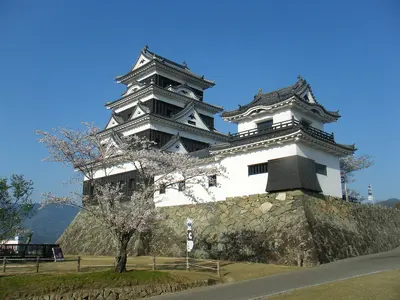
Imabari Castle's seawater moats are its defining feature — the visual experience of stone walls rising from saltwater, with the Seto Inland Sea barely separated from the moat, is unique in Japanese castle architecture. The reconstructed tower interior covers Todo Takatora's remarkable career well. For visitors doing the Shimanami Kaido cycling route, the castle is a natural bookend to one of the world's great cycling experiences. Combined with nearby Matsuyama Castle (one of Japan's finest original towers) and Ozu Castle (Japan's finest wooden reconstruction), Ehime Prefecture offers one of the best castle itineraries in Japan.

Highlights

1

Another of Japan's Three Great Water Castles

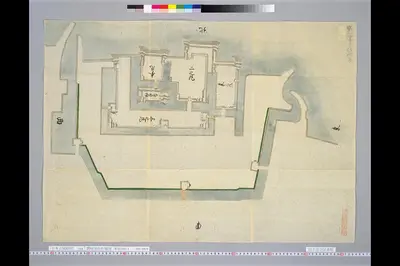
Imabari Castle, alongside Takamatsu and Nakatsu, is one of Japan's three officially recognized great water castles (sanmei mizujiro). Like Takamatsu, Imabari's moats were originally filled with seawater drawn directly from the adjacent Seto Inland Sea. At high tide, the outer moat would connect with the sea, and boats could navigate directly to the castle's sea-gate. The combination of tidal seawater moats, stone walls, and a coastal position made Imabari one of the most innovative military designs of the late Sengoku period.
2

Todo Takatora: Japan's Greatest Castle Builder

Imabari Castle was built by Todo Takatora (1556–1630), who is widely considered the greatest castle architect in Japanese history. Takatora designed or participated in the construction of over 20 castles across Japan, including Uwajima, Wakayama, Iyo-Matsuyama, and portions of Edo Castle. His genius was combining military function with aesthetic refinement — the seawater moat design at Imabari is considered one of his masterworks, integrating the tidal sea into the defensive system with elegant efficiency.

3

Gateway to the Shimanami Kaido

Imabari Castle stands at the Shikoku end of the Shimanami Kaido — the famous cycling and driving route connecting Shikoku to Honshu across a chain of Seto Inland Sea islands via six spectacular suspension bridges. Cyclists completing or beginning the Shimanami Kaido route often include the castle as a natural bookend to their journey, and the castle's sea-facing walls symbolize the maritime culture that the route celebrates.

Structure Details

Visitor tip

The reconstructed tower interior museum is solid and includes good material on Todo Takatora's castle-building career — worth the admission for castle enthusiasts. The seawater moats are the main visual draw: walk the outer moat circuit to appreciate how the stone walls rise directly from the water. The Shimanami Kaido cycling route starts/ends nearby — cyclists often include the castle as a start or finish point.

Castle type

Water castle

Water castle — built directly on the Seto Inland Sea coast with seawater moats connected to the sea via tidal channels. One of Japan's three great water castles, designed by Todo Takatora.

Layout type

Concentric layout

Enclosure style — concentric compounds surrounded by seawater moats, with the main compound directly accessible from the sea via a water gate

Main tower

Concrete reconstruction (1980) — the original three-story main tower, built in 1604, was demolished during the Meiji era. The current tower is a reinforced concrete reconstruction housing a local history museum.

30m5 floors, 1 below

Stone walls

Natural stone stacking

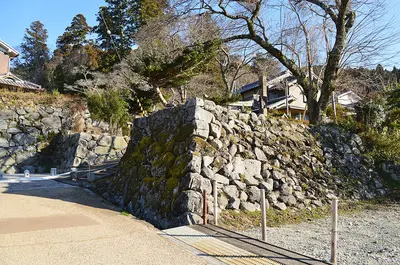
The stone walls at Imabari Castle rise directly from the seawater moat in several sections — the lower courses are built to withstand constant salt water exposure and tidal variation. Several original stone wall sections from Todo Takatora's 1604 construction survive around the main compound, alongside the concrete reconstruction tower.

Moats

Three concentric moats originally filled with seawater from the Seto Inland Sea — at high tide connecting directly with the sea. The seawater moats remain today, though modern land reclamation has reduced the direct sea connection. The moats still visually dominate the castle grounds and provide the site's most distinctive feature.

Key defensive features

Tidal Seawater Moats

The moats were fed by tidal channels from the Seto Inland Sea, creating a saltwater defensive barrier that varied with the tides. High tide raised the water level, making the walls relatively taller from the waterline and further complicating assault. The salt water was also hostile to wooden assault boats and to extended swimming across.

Sea-Gate Naval Entry

The castle's north compound included a water gate accessible from the sea at high tide. This allowed supply boats to enter the castle directly from the Seto Inland Sea — a logistical advantage for extended sieges. The same gate was a controlled entry point for any maritime attacker.

Todo Takatora's Defensive Layout

The concentric compound arrangement designed by Takatora created three defensive rings before the main compound — each requiring a separate moat crossing and gate assault. The geometric precision of the layout was characteristic of Takatora's mature design philosophy.

The Story of Imabari Castle

Originally built 1604 / Todo Takatora
Current form 1604 / Todo Takatora
    1604

    Todo Takatora, given Iyo Province (Ehime) by Tokugawa Ieyasu after Sekigahara, builds Imabari Castle as his new domain headquarters. The seawater moat design — his innovative integration of tidal channels into the defensive system — becomes his signature achievement and one of the most original castle designs of the Edo period.

    1608

    Takatora is transferred to Tsu domain (Mie Prefecture), leaving Imabari. The castle passes through several lords but maintains its role as the dominant fortress of the Seto Inland Sea northern coast.

    1635

    Matsudaira Sadayuki is appointed lord of Imabari domain under Tokugawa authority. The Matsudaira branch rules Imabari for the rest of the Edo period, maintaining the castle in good condition.

    1871

    The Meiji government's abolition of domains leads to castle abandonment. The main tower and most wooden structures are demolished over subsequent years, leaving the stone walls and moat system.

    1980

    A concrete reconstruction of the main tower is completed, returning a visible castle silhouette to the Imabari cityscape. The tower houses a local history museum with material on Todo Takatora's castle-building legacy.

Did You Know?

  • Todo Takatora, who built Imabari Castle, is credited with designing or participating in the construction of over 20 castles — more than any other individual in Japanese history. His clients included Toyotomi Hideyoshi and Tokugawa Ieyasu (on different sides at different times), demonstrating the kind of pragmatic political flexibility that was essential for survival in the late Sengoku period.
  • At high tide, the outer moat of Imabari Castle historically connected directly with the Seto Inland Sea — boats could sail from the open sea into the castle's north compound water gate. This made the castle both a fortress and a naval base, capable of sortying ships from within its defenses.
  • Imabari is Japan's leading towel production city — over 60% of Japanese towels are manufactured in the Imabari area, and the 'Imabari Towel' brand is a nationally recognized quality designation. The castle gift shop inevitably sells high-quality Imabari towels alongside conventional castle souvenirs.
  • The Shimanami Kaido cycling route, which begins (or ends) in Imabari, is consistently ranked among the world's best cycling routes — a 70km journey across six suspension bridges over Seto Inland Sea islands to Onomichi in Hiroshima. The castle at one end and Onomichi Castle at the other make for a historically bookended cycling adventure.

Score Breakdown

Tourism Score

D 55/100
  • Accessibility 12 /20
  • Foreign-Friendly 10 /20
  • Historical Value 13 /20
  • Visual Impact 12 /20
  • Facilities 8 /20

Defense Score

B 79/100
  • Terrain Advantage 15 /20
  • Entrance Defense 16 /20
  • Internal Complexity 16 /20
  • Siege Endurance 16 /20
  • Strategic Oversight 16 /20

Planning Your Visit

Best Time to Visit

Cherry blossom season (early to mid-April in Ehime's coastal climate) for blossoms over the seawater moats. Autumn (October–November) for clear Seto Inland Sea views from the tower. The Shimanami Kaido cycling season (spring and autumn) pairs perfectly with a castle visit.

Time Needed

1-1.5 hours

Insider Tip

Walk to the north side of the castle grounds to find the section where the outer moat is closest to the sea — here, the visual connection between the moat and the Seto Inland Sea (separated by modern reclaimed land) is most apparent. On a clear day the islands of the Shimanami Kaido are visible across the water from this position. The tower's top floor gives the best panoramic view of the seawater moat system in its entirety — one circuit of the exterior, then the tower, is the ideal visit sequence.

Map

Getting There

Nearest station: Imabari Station (JR Yosan Line)
Walk from station: 15 min walk
Bus: City buses from Imabari Station run to the 'Imabari-jo mae' bus stop. The castle is also within comfortable walking distance of the station.
Parking: Free parking lot adjacent to the castle. Rarely full except during festivals.
Accessible with a JR Pass

Admission

Adult¥520
Child¥260

Children (elementary school age and under) free. Admission covers the main tower museum. Castle grounds are free to enter.

Opening Hours

Open09:00 – 17:00
Last entry16:30

Closed December 29–31. The grounds can be enjoyed outside museum hours. Cherry blossom events in late March to early April include extended evening access.

Facilities

  • – English guides
  • – Audio guide
  • – Wheelchair access
  • ✓ Restrooms
  • ✓ Gift shop
  • ✓ Food nearby

Nearby Castles

Featured in collections

FAQ

Frequently Asked Questions

How do I get to Imabari Castle?

The nearest station is Imabari Station (JR Yosan Line). From there it is about 15 minutes on foot. City buses from Imabari Station run to the 'Imabari-jo mae' bus stop. The castle is also within comfortable walking distance of the station.

How much does Imabari Castle cost to enter?

Adult admission is ¥520 and child admission is ¥260.

Is Imabari Castle worth visiting?

Imabari Castle's seawater moats are its defining feature — the visual experience of stone walls rising from saltwater, with the Seto Inland Sea barely separated from the moat, is unique in Japanese castle architecture. The reconstructed tower interior covers Todo Takatora's remarkable career well. For visitors doing the Shimanami Kaido cycling route, the castle is a natural bookend to one of the world's great cycling experiences. Combined with nearby Matsuyama Castle (one of Japan's finest original towers) and Ozu Castle (Japan's finest wooden reconstruction), Ehime Prefecture offers one of the best castle itineraries in Japan.

What are the opening hours of Imabari Castle?

09:00 to 17:00, last entry 16:30.

How long should I spend at Imabari Castle?

Plan for about 1-1.5 hours, depending on how closely you want to explore the grounds.