Hitoyoshi Castle

人吉城·Hitoyoshi-jo

D Tourism Score 42/100
B Defense Score 76/100

The castle with Japan's only overhang stone walls — 700 years of Sagara clan rule in a mountain valley, now recovering from devastating 2020 flood damage.

#93 — 100 Famous Castles Ruins
Hitoyoshi Castle (人吉城)
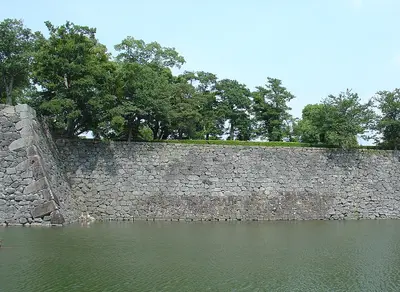
Photo:Fraxinus2/Wikimedia Commons/CC BY-SA 4.0

Quick Facts

Quick Facts

Admission
Free Free
Hours
null – null
Nearest Station
Hitoyoshi Station (JR Hisatsu Line)
Walk from Station
15 min walk
Time Needed
1.5–2 hours (castle ruins + museum + castle town walk)

Castle ruins park is freely accessible. The Hitoyoshi Castle Historical Museum (adjacent to the ruins) charges ¥300 adult admission and has exhibition materials on the castle and July 2020 flood recovery.

Defense Overview

Defense Overview

Why Hitoyoshi Castle was hard to attack

This castle is hard to attack because it combines a raised core with defended outer space with enough defensive depth to slow attackers before the center.

An attacker would not get a simple direct approach to the center. They would have to cross water barriers or moat lines, push through successive outer areas before the core, and do so under a position that also watches the surrounding routes.

Overall score

76/100

Estimated range

70–82

Confidence

B

Usable estimate with some inference

This is a site-original comparison score for learning and comparison, not a reconstruction of one historical battle.

Radar view

Terrain 15/20 Entrance 14/20 Internal 15/20 Siege 16/20 Oversight 16/20
How this estimate was built+

This estimate combines broad terrain, approach, layout, and route-control signals. It is meant to explain the castle's defensive logic in plain English, not reconstruct a single historical attack.

Terrain Advantage

How much the terrain itself seems to help: height, slope, ridges, cliffs, water edges, and limited approach directions.

15/20

Entrance Defense

How awkward and dangerous the first entry looks: gates, bridge or moat crossings, chokepoints, and forced turns.

14/20

Internal Complexity

How hard it seems to keep pushing after entry: layered baileys, depth, compartmentalization, and repeated defensive lines.

15/20

Siege Endurance

A rough sense of long-hold potential: moats, water access, space, storage plausibility, and defensive staying power.

16/20

Strategic Oversight

How much the castle appears to command nearby roads, plains, rivers, basins, harbors, or town approaches.

16/20

Why Visit

Hitoyoshi Castle is a specialist's destination — the hanedashi overhang walls are unique in Japan and worth the journey for anyone seriously interested in castle architecture. The Kuma River valley setting is beautiful and the old castle town (badly damaged in 2020 but recovering) has genuine character. The July 2020 flood disaster has added a layer of contemporary meaning to the site — visiting is an act of support for a community working to rebuild. The JR Hisatsu Line journey from Kumamoto through the mountains is one of the most scenic rural railway routes in Kyushu. A rewarding day trip for those willing to make the effort.

Highlights

1

The Hanedashi — Japan's Most Unique Overhang Stone Walls

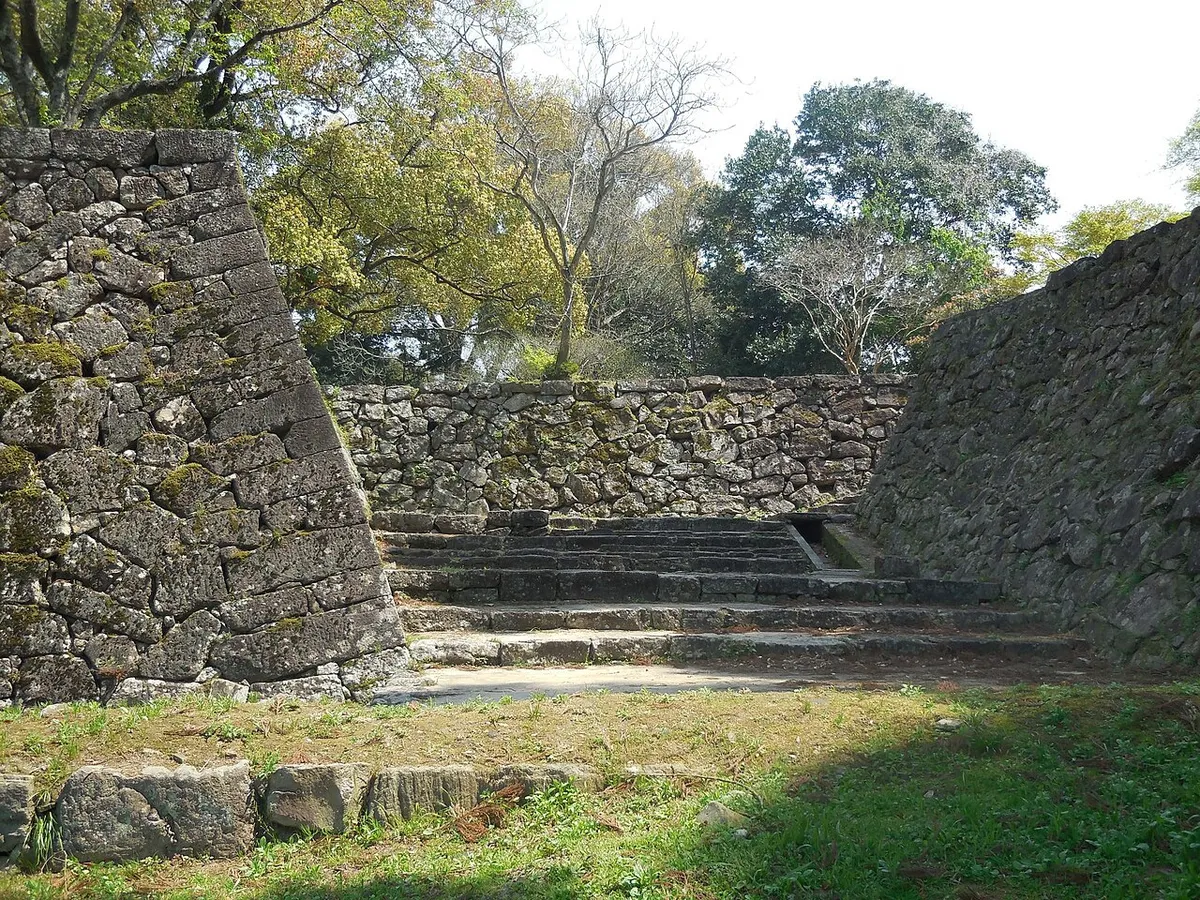
Hitoyoshi Castle is famous among castle enthusiasts for its 'hanedashi' (overhang) stone walls — sections where the upper portion of the stone wall cantilevers outward beyond the base, creating an overhang. This construction technique, intended to make it impossible for attackers to climb the walls by leaning ladders against them, is extremely rare in Japanese castle architecture. Hitoyoshi has the best surviving examples in Japan.
2

The Sagara Clan — 700 Years in One Valley

The Sagara clan ruled the Hitoyoshi-Kuma valley for approximately 700 years — from the Kamakura period (1198) to the Meiji Restoration (1871). This is one of the longest continuous feudal domain rules in Japanese history. Unlike many domains that changed hands through war or Tokugawa reassignment, the Sagara clan maintained their mountain valley domain through extraordinary political skill, surviving the Sengoku wars, Toyotomi Hideyoshi, the Battle of Sekigahara, and the entire Edo period.

3

The July 2020 Flood — Disaster and Recovery

In July 2020, the Kuma River experienced catastrophic flooding that devastated Hitoyoshi city and severely damaged the castle ruins. Stone walls collapsed, the approach path was washed away, and historical structures were damaged. Recovery work is ongoing. The disaster and the community's resilience in rebuilding are now part of the castle's story — visiting Hitoyoshi means witnessing both historical remains and a community in recovery.

Structure Details

Visitor tip

Head to the lower compound walls first and find the hanedashi (overhang) sections — crouch down and look up at the wall face to understand the cantilever geometry. Then ascend to the main compound for the view over the Kuma River valley. Note any flood damage markers; the recovery story is part of visiting Hitoyoshi now.

Castle type

Hill castle

Hill castle on flat terrain — built on a spur above the confluence of the Kuma and Saukuragawa rivers, using both rivers as natural moats

Layout type

Concentric layout

Enclosure style — compounds on the river spur with the main compound at the hilltop

Main tower

Ruins — the main tower and all buildings are lost. Substantial stone walls survive, including the famous hanedashi (overhang) sections. Recovery ongoing after July 2020 flood damage.

Stone walls

Natural stone stacking

The stone walls at Hitoyoshi are the castle's principal surviving feature and architectural claim to fame. The hanedashi overhang sections — where the wall's upper portion extends beyond the base — are unique in Japan and clearly visible on the lower compound walls. Some wall sections were damaged in the July 2020 flood; restoration work has been underway since.

Key defensive features

Hanedashi Overhang Walls

The unique hanedashi construction creates an outward cantilever at the top of selected wall sections. An attacker placing a ladder against the wall would find it impossible to lean close enough to reach the top — the overhang prevents the ladder angle required for climbing. This is an engineering solution to the fundamental vulnerability of any high vertical wall.

River Confluence Position

The castle spur is surrounded by the Kuma River on one side and the Saukuragawa on another, creating natural water barriers that made approach to the castle from those directions require river crossing — a dangerous operation under fire.

Spur Configuration

The river spur configuration meant attackers were channeled toward a single landward approach at the spur's base, where they could be concentrated and engaged by defenders firing from elevated positions on the compound walls.

The Story of Hitoyoshi Castle

Originally built 1198 / Sagara Nagayori
Current form 1600 / Sagara Yorifusa
    1198

    Sagara Nagayori is appointed as jito (estate manager) of the Hitoyoshi-Kuma region by the Kamakura shogunate, beginning the Sagara clan's presence in the valley. A fortification at the river spur site begins to develop over subsequent generations.

    1600

    After the Battle of Sekigahara, Sagara Yorifusa — who had fought with the Toyotomi side — is confirmed in his Hitoyoshi domain by Tokugawa Ieyasu through adroit political maneuvering. The castle is substantially reconstructed and expanded in its current form.

    1615

    The fall of Osaka Castle ends the Toyotomi line. The Sagara clan's survival into the Edo period is confirmed. They maintain the Hitoyoshi-Kuma valley domain for the next 256 years.

    1871

    The Meiji Restoration's abolition of feudal domains ends the Sagara clan's 700-year rule. The castle buildings are abandoned and eventually demolished. The stone walls are preserved.

    2020

    Catastrophic flooding of the Kuma River in July 2020 causes severe damage to Hitoyoshi city and the castle ruins. Multiple stone wall sections collapse. The city begins a long recovery and castle restoration process that continues through 2026.

Did You Know?

  • The Sagara clan's 700-year rule of the Hitoyoshi-Kuma valley is attributed in part to their policy of accommodating both Shinto and Buddhist religious traditions in the valley — an unusually tolerant approach that maintained local community support. The valley contains an extraordinary density of religious sites, including Aoi-Aso Shrine (one of Kyushu's most important) and numerous Buddhist temples.
  • The hanedashi stone wall technique is documented at only a handful of sites in Japan; Hitoyoshi has the finest and most extensive surviving examples. Castle architecture historians regard the hanedashi walls as a significant technical innovation that never became widespread — possibly because the technique was difficult, expensive, and the Edo peace made such defensive refinements unnecessary.
  • The July 2020 Kuma River flood was the deadliest natural disaster in Japan that year, killing over 65 people and destroying thousands of homes in Hitoyoshi and the surrounding valley. The castle ruins' flood damage is physically documented in markers that show how high the water rose — in some locations, over 5 meters above normal river level.

Score Breakdown

Tourism Score

D 42/100
  • Accessibility 8 /20
  • Foreign-Friendly 7 /20
  • Historical Value 13 /20
  • Visual Impact 9 /20
  • Facilities 5 /20

Defense Score

B 76/100
  • Terrain Advantage 15 /20
  • Entrance Defense 14 /20
  • Internal Complexity 15 /20
  • Siege Endurance 16 /20
  • Strategic Oversight 16 /20

Planning Your Visit

Best Time to Visit

Spring for azaleas and pleasant temperatures. The Kuma River is scenic in autumn foliage. Check current restoration status before visiting as some areas may have access restrictions due to ongoing flood recovery work.

Time Needed

1.5–2 hours (castle ruins + museum + castle town walk)

Insider Tip

The hanedashi walls are the main architectural event — find them on the lower compound walls and take time to understand the construction. The castle town has the Sagara clan's long rule written into its religious architecture: Aoi-Aso Shrine (a 10-minute walk from the castle) is an extraordinarily beautiful Shinto complex and one of the best in Kyushu. Combine the castle and shrine for a full Hitoyoshi half-day.

Map

Getting There

Nearest station: Hitoyoshi Station (JR Hisatsu Line)
Walk from station: 15 min walk
Parking: Free parking available near the castle ruins.
Accessible with a JR Pass

Admission

Free

Castle ruins park is freely accessible. The Hitoyoshi Castle Historical Museum (adjacent to the ruins) charges ¥300 adult admission and has exhibition materials on the castle and July 2020 flood recovery.

Opening Hours

Open

Ruins park open at all times. Museum hours: 9:00–17:00, closed Mondays.

Facilities

  • – English guides
  • – Audio guide
  • – Wheelchair access
  • ✓ Restrooms
  • – Gift shop
  • ✓ Food nearby

Nearby Castles

Featured in collections

FAQ

Frequently Asked Questions

How do I get to Hitoyoshi Castle?

The nearest station is Hitoyoshi Station (JR Hisatsu Line). From there it is about 15 minutes on foot.

How much does Hitoyoshi Castle cost to enter?

Hitoyoshi Castle is free to enter.

Is Hitoyoshi Castle worth visiting?

Hitoyoshi Castle is a specialist's destination — the hanedashi overhang walls are unique in Japan and worth the journey for anyone seriously interested in castle architecture. The Kuma River valley setting is beautiful and the old castle town (badly damaged in 2020 but recovering) has genuine character. The July 2020 flood disaster has added a layer of contemporary meaning to the site — visiting is an act of support for a community working to rebuild. The JR Hisatsu Line journey from Kumamoto through the mountains is one of the most scenic rural railway routes in Kyushu. A rewarding day trip for those willing to make the effort.

What are the opening hours of Hitoyoshi Castle?

null to null.

How long should I spend at Hitoyoshi Castle?

Plan for about 1.5–2 hours (castle ruins + museum + castle town walk), depending on how closely you want to explore the grounds.