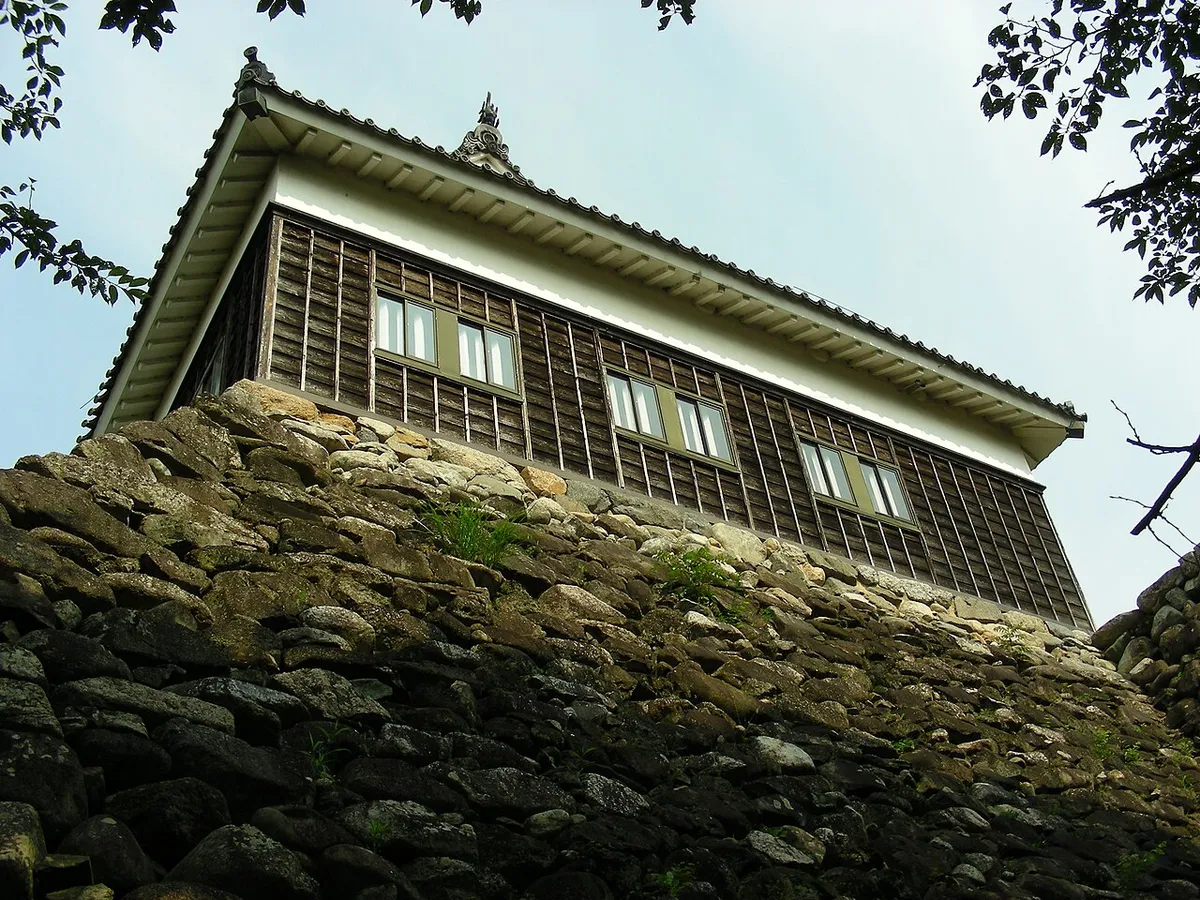
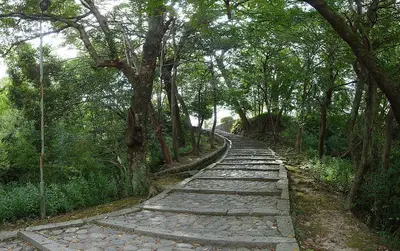
This estimate combines broad terrain, approach, layout, and route-control signals. It is meant to explain the castle's defensive logic in plain English, not reconstruct a single historical attack.
Terrain Advantage
How much the terrain itself seems to help: height, slope, ridges, cliffs, water edges, and limited approach directions.
10/20
Entrance Defense
How awkward and dangerous the first entry looks: gates, bridge or moat crossings, chokepoints, and forced turns.
11/20
Internal Complexity
How hard it seems to keep pushing after entry: layered baileys, depth, compartmentalization, and repeated defensive lines.
15/20
Siege Endurance
A rough sense of long-hold potential: moats, water access, space, storage plausibility, and defensive staying power.
14/20
Strategic Oversight
How much the castle appears to command nearby roads, plains, rivers, basins, harbors, or town approaches.
12/20