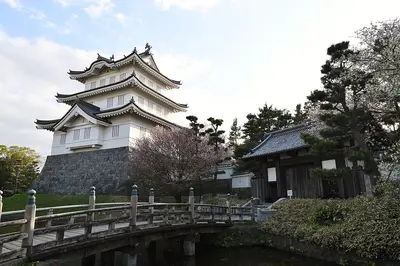
Iwatsuki Castle

岩槻城·Iwatsuki-jo

F Tourism Score 32/100
B Defense Score 73/100

Ota Dokan's swamp fortress — a water-island defense on the flat Kanto Plain that held Hideyoshi's army at bay longer than most.

#120 — Continued 100 Castles Ruins
Iwatsuki Castle (岩槻城)
Photo:Kinori/Wikimedia Commons/Public domain

Quick Facts

Quick Facts

Admission
Free Free
Hours
00:00 – 23:59
Nearest Station
Iwatsuki Station (Tobu Urban Park Line)
Walk from Station
20 min walk

Bus also available

Time Needed
45 minutes to 1 hour (castle park only); 2 hours with Iwatsuki town exploration

Free admission. The site is a public park (Iwatsuki Castle Park). The reconstructed clock tower nearby is a local landmark.

Defense Overview

Defense Overview

Why Iwatsuki Castle was hard to attack

This castle is hard to attack because it combines managed outer defenses on relatively level ground with repeated turns and layered defensive space.

An attacker would not simply arrive at the center on open flat ground. They would have to cross water barriers or moat lines, pass tighter turns and chokepoints, face more defensive depth after the first line, and do so under a position that also watches the surrounding routes.

Overall score

73/100

Estimated range

67–79

Confidence

B

Usable estimate with some inference

This is a site-original comparison score for learning and comparison, not a reconstruction of one historical battle.

Radar view

Terrain 11/20 Entrance 14/20 Internal 17/20 Siege 16/20 Oversight 15/20
How this estimate was built+

This estimate combines broad terrain, approach, layout, and route-control signals. It is meant to explain the castle's defensive logic in plain English, not reconstruct a single historical attack.

Terrain Advantage

How much the terrain itself seems to help: height, slope, ridges, cliffs, water edges, and limited approach directions.

11/20

Entrance Defense

How awkward and dangerous the first entry looks: gates, bridge or moat crossings, chokepoints, and forced turns.

14/20

Internal Complexity

How hard it seems to keep pushing after entry: layered baileys, depth, compartmentalization, and repeated defensive lines.

17/20

Siege Endurance

A rough sense of long-hold potential: moats, water access, space, storage plausibility, and defensive staying power.

16/20

Strategic Oversight

How much the castle appears to command nearby roads, plains, rivers, basins, harbors, or town approaches.

15/20

Why Visit

Iwatsuki Castle is a specialist destination — best for visitors interested in Sengoku-period water-fortress design or the Ota Dokan legacy. The remains are subtle (earthworks and moat fragments), but the surrounding park is pleasant and the nearby doll-manufacturing town of Iwatsuki offers an unexpected and charming complement to the castle visit. Don't make a special trip from Tokyo just for the castle; combine it with the town.

Highlights

1

A Swamp Fortress Hidden on the Kanto Plain

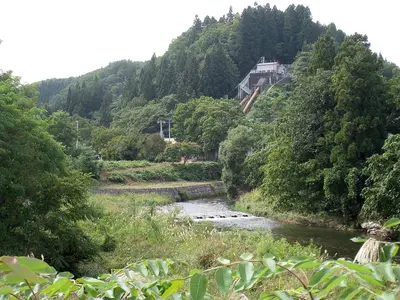
Iwatsuki Castle's defensive genius was not walls or height but water — it was built on a series of small islands in a marshy swamp area on the Kanto Plain. The surrounding wetlands made conventional approach and siege almost impossible, turning the flat terrain into a natural fortress. Today those swamps are rice paddies and city streets, but the earthworks and moat remnants still give a sense of how impregnable the position once was.
2

The Castle That Held While Others Fell

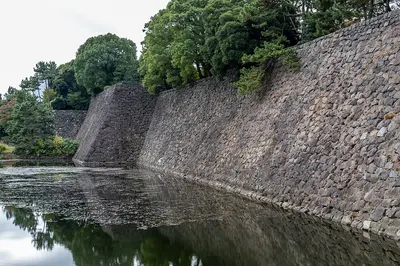
When Toyotomi Hideyoshi's massive army swept through the Kanto region in 1590, most castles surrendered quickly or fell in days. Iwatsuki Castle, surrounded by its swamps, held out for an extended period under siege — a testament to how effectively a well-chosen natural position could offset enormous differences in military strength.

3

Tokugawa Period Doll Town

Iwatsuki developed into a major center of doll manufacturing during the Edo period — it remains the doll capital of Japan today, producing the elaborate Hina dolls used in the Girls' Day festival. This unexpected craft heritage gives the surrounding town a charm that compensates for the modest castle remains.

Structure Details

Visitor tip

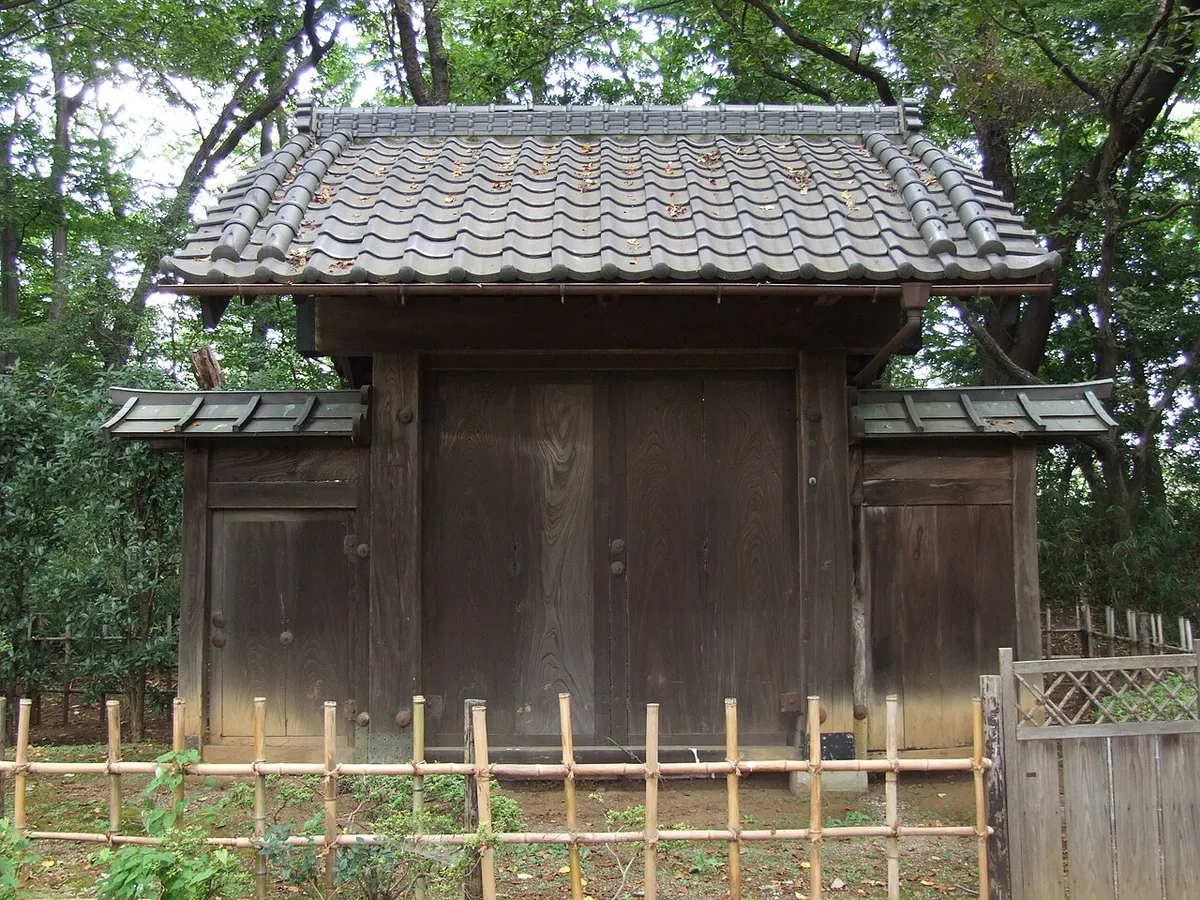
Iwatsuki Castle Park is a quiet, pleasant green space with earthwork mounds and moat remnants visible throughout. The remains are subtle — this is a site for visitors who can imagine the original water-fortress from the landscape rather than those needing standing structures. A reconstructed gate (Otemon) provides a photogenic focal point. Combine with a walk through Iwatsuki's old town to see the doll shops for a more complete local experience.

Castle type

Flatland castle

Flatland castle — built on low islands in a swampy wetland on the Kanto Plain, using water as primary defense

Layout type

Linked compound layout

Compound style — multiple island compounds connected by bridges across the wetland

Main tower

Ruins — earthworks, moat remnants, and a reconstructed gate survive; no tenshu remains

Stone walls

Earthen rampart with stone facing

Iwatsuki Castle used earthen embankments (dorui) rather than stone walls — the flat Kanto Plain provided no convenient stone, and the waterlogged ground would have made stone wall construction difficult. The earthworks survive as grassy mounds around the moat system.

Moats

The castle's water defenses were its defining feature — a network of moats and channels connecting the natural swamp, creating an island complex accessible only by controlled bridges. Partial moat remnants survive in the current park.

Key defensive features

Swamp Wetland Perimeter

The surrounding marshy wetland was the castle's primary defense — impassable to cavalry and extremely difficult for infantry, making conventional siege tactics largely ineffective. The swamp was as effective as any stone wall.

Controlled Bridge Access

The only approach to the castle compounds was via bridges that could be removed or defended — creating fatal chokepoints for any attacker trying to advance across the water.

Island Compound Layout

The castle's multiple island compounds meant even if attackers seized one compound, the next was separated by water — requiring a fresh assault across open water under fire.

The Story of Iwatsuki Castle

Originally built 1457 / Ota Dokan (attributed)
Current form 1590 / Narita Ujinaga
    1457

    Ota Dokan — the celebrated castle builder who also founded Edo Castle (modern Tokyo) — is traditionally credited with establishing Iwatsuki Castle. The site's swamp position is a characteristic example of Dokan's genius for using natural terrain as defense.

    1478

    The Narita clan takes control of Iwatsuki and develops it as their primary base, expanding the water defenses and reinforcing the compound layout over subsequent generations.

    1590

    Toyotomi Hideyoshi launches his Odawara Campaign against the Hojo clan, the last major holdout against his unification of Japan. Iwatsuki Castle, held by Narita Ujinaga, holds out for an extended siege before ultimately surrendering after Odawara Castle falls. Tokugawa Ieyasu then receives the Kanto region as his domain.

    1600

    Following Sekigahara, Iwatsuki Castle is assigned to successive Tokugawa-allied lords as an administrative post in the new Kanto domain system. It serves a purely administrative function through the Edo period.

    1871

    Meiji government abolition of domains ends the castle's official function. Structures are dismantled and the site gradually converted to civic use. The surrounding wetlands are drained and converted to agricultural land over subsequent decades.

In Pop Culture

other

Ota Dokan historical accounts

Iwatsuki Castle is mentioned in historical accounts of Ota Dokan, the legendary castle builder-poet who established both Iwatsuki and Edo Castle (Tokyo) in the same period of the 1450s–1480s.

Did You Know?

  • Ota Dokan, who traditionally founded Iwatsuki Castle, was also the builder of the original Edo Castle — the fortification that eventually became the Imperial Palace in Tokyo. Both sites reflect his instinct for water-based defense on flat terrain.
  • Iwatsuki is today the doll capital of Japan — over 80% of Japan's traditional Hina dolls (used in the Girls' Day festival) are produced in workshops in the Iwatsuki area. The castle town that once controlled swamp approaches now controls the Japanese market in ceremonial dolls.
  • The Narita clan who held Iwatsuki are historically associated with a famous incident at Odawara Castle in 1590 — when Narita Ujinaga's wife and daughters reportedly threw stones at Toyotomi Hideyoshi's forces from the castle walls after Hideyoshi's romantic advances toward Ujinaga's wife were rebuffed. The incident became legendary as an act of defiant female resistance.

Score Breakdown

Tourism Score

F 32/100
  • Accessibility 8 /20
  • Foreign-Friendly 3 /20
  • Historical Value 10 /20
  • Visual Impact 6 /20
  • Facilities 5 /20

Defense Score

B 73/100
  • Terrain Advantage 11 /20
  • Entrance Defense 14 /20
  • Internal Complexity 17 /20
  • Siege Endurance 16 /20
  • Strategic Oversight 15 /20

Planning Your Visit

Best Time to Visit

Spring (late March to early April) for cherry blossoms in the castle park. Early March is ideal for timing with the Hina Matsuri (Girls' Day) doll displays in town.

Time Needed

45 minutes to 1 hour (castle park only); 2 hours with Iwatsuki town exploration

Insider Tip

The Iwatsuki doll district is a 10-minute walk from the castle park — dozens of doll workshops line the old-town streets, some offering factory tours. The combination of castle ruins and traditional craft culture makes Iwatsuki a more interesting half-day trip than the castle alone would justify.

Map

Getting There

Nearest station: Iwatsuki Station (Tobu Urban Park Line)
Walk from station: 20 min walk
Bus: Local Saitama City bus from Iwatsuki Station to Iwatsuki-jo Ato (castle ruins stop).
Parking: Free parking adjacent to Iwatsuki Castle Park.

Admission

Free

Free admission. The site is a public park (Iwatsuki Castle Park). The reconstructed clock tower nearby is a local landmark.

Opening Hours

Open00:00 – 23:59

Open at all times as public parkland. No closing hours.

Facilities

  • – English guides
  • – Audio guide
  • ✓ Wheelchair access
  • ✓ Restrooms
  • – Gift shop
  • ✓ Food nearby

Nearby Castles

Featured in collections

FAQ

Frequently Asked Questions

How do I get to Iwatsuki Castle?

The nearest station is Iwatsuki Station (Tobu Urban Park Line). From there it is about 20 minutes on foot. Local Saitama City bus from Iwatsuki Station to Iwatsuki-jo Ato (castle ruins stop).

How much does Iwatsuki Castle cost to enter?

Iwatsuki Castle is free to enter.

Is Iwatsuki Castle worth visiting?

Iwatsuki Castle is a specialist destination — best for visitors interested in Sengoku-period water-fortress design or the Ota Dokan legacy. The remains are subtle (earthworks and moat fragments), but the surrounding park is pleasant and the nearby doll-manufacturing town of Iwatsuki offers an unexpected and charming complement to the castle visit. Don't make a special trip from Tokyo just for the castle; combine it with the town.

What are the opening hours of Iwatsuki Castle?

00:00 to 23:59.

How long should I spend at Iwatsuki Castle?

Plan for about 45 minutes to 1 hour (castle park only); 2 hours with Iwatsuki town exploration, depending on how closely you want to explore the grounds.