Kawanoe Castle

河後森城·Kawanoe-jo

F Tourism Score 30/100
A Defense Score 87/100

Shikoku's finest earthwork mountain castle — twelve compounds and extensive horikiri networks in exceptional preservation in western Ehime's mountains.

#178 — Continued 100 Castles Ruins
Kawanoe Castle (河後森城)
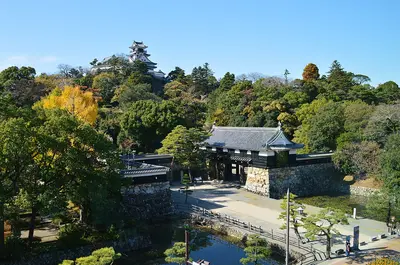
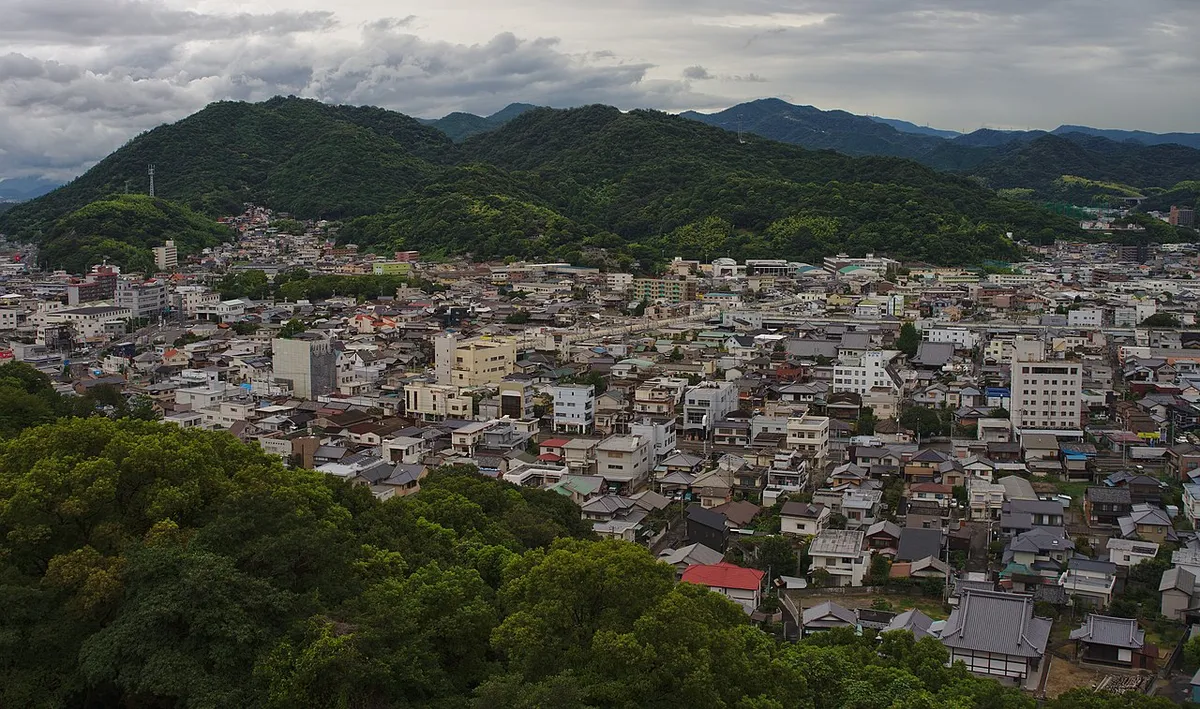
Photo:Sketyl none/Wikimedia Commons/CC BY 2.0

Quick Facts

Quick Facts

Admission
Free Free
Hours
00:00 – 23:59
Nearest Station
Matsuno Station (JR Yodo Line)
Walk from Station
25 min walk
Time Needed
1.5 hours

Free admission. The ruins are a National Historic Site in Matsuno Town. Well-maintained trails through the earthworks. No standing structures.

Defense Overview

Defense Overview

Why Kawanoe Castle was hard to attack

This castle is hard to attack because it combines high ground and difficult natural access with a controlled route inward.

An attacker would first have to fight the site itself before reaching the main defenses. They would have to cross water barriers or moat lines and face more defensive depth after the first line.

Overall score

87/100

Estimated range

81–93

Confidence

B

Usable estimate with some inference

This is a site-original comparison score for learning and comparison, not a reconstruction of one historical battle.

Radar view

Terrain 19/20 Entrance 17/20 Internal 17/20 Siege 16/20 Oversight 18/20
How this estimate was built+

This estimate combines broad terrain, approach, layout, and route-control signals. It is meant to explain the castle's defensive logic in plain English, not reconstruct a single historical attack.

Terrain Advantage

How much the terrain itself seems to help: height, slope, ridges, cliffs, water edges, and limited approach directions.

19/20

Entrance Defense

How awkward and dangerous the first entry looks: gates, bridge or moat crossings, chokepoints, and forced turns.

17/20

Internal Complexity

How hard it seems to keep pushing after entry: layered baileys, depth, compartmentalization, and repeated defensive lines.

17/20

Siege Endurance

A rough sense of long-hold potential: moats, water access, space, storage plausibility, and defensive staying power.

16/20

Strategic Oversight

How much the castle appears to command nearby roads, plains, rivers, basins, harbors, or town approaches.

18/20

Why Visit

Kawanoe Castle is primarily for castle enthusiasts who want to understand Japanese mountain castle design at its most sophisticated. The earthwork system is genuinely impressive in scale and preservation. The purely earthwork construction (no stone walls) is also historically instructive.

Highlights

1

One of Shikoku's Finest Earthwork Mountain Castles

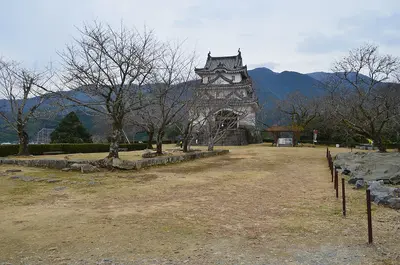
Kawanoe Castle (Kawagomori Castle) is recognized by castle specialists as one of the best-preserved examples of Sengoku-period earthwork mountain castle design in all of Shikoku. The elaborate system of horikiri ditches, terraced compounds (kuruwa), and embankments spread across the mountain ridge is remarkably complete — giving specialists and enthusiasts a textbook illustration of how a substantial yamajiro was actually constructed.
2

Gateway to the Shimanto River Region

The castle controlled the mountain passes linking the Seto Inland Sea coast with the Shimanto River watershed — the strategic routes between Iyo Province (Ehime) and Tosa Province (Kochi). Whoever held Kawanoe Castle could regulate movement between the northern and southern coasts of western Shikoku.

3

Twelve Separate Compounds on the Mountain

Archaeological investigation has identified twelve distinct kuruwa (compounds) on the castle's mountain ridge — an unusually large number for a provincial yamajiro. The sheer scale of the earthwork system demonstrates that Kawanoe was a major fortification in the western Shikoku military landscape, not a minor local outpost.

Structure Details

Visitor tip

Kawanoe Castle requires some mountain walking. The horikiri ditches are clearly visible and easy to understand as defensive features. This is a specialist's castle — the appeal is the completeness of the earthwork system rather than visual drama. Castle history enthusiasts who want to understand how a purely earthwork yamajiro was organized will find Kawanoe uniquely informative.

Castle type

Mountain castle

Mountain castle — multi-ridge earthwork fortress controlling strategic passes in western Shikoku's mountain interior

Layout type

Linked compound layout

Compound style — twelve identified kuruwa (compounds) spread across multiple ridgelines, connected by earthwork approaches

Main tower

Ruins — extensive earthwork system survives in excellent condition; horikiri ditches, kuruwa platforms, and embankments clearly visible; no stone walls or standing structures

Stone walls

Earthen walls

Kawanoe Castle is a pure earthwork mountain castle — no stone walls were ever built. The defense relied entirely on the sophisticated system of earthen terraces, horikiri ditches cutting across ridges, and the naturally difficult mountain terrain.

Key defensive features

Twelve-Compound Ridge System

The twelve identified compounds across multiple ridgelines meant that even if attackers broke through outer compounds, they faced successive defensive positions.

Extensive Horikiri Network

Numerous horikiri ditches cut perpendicular across the ridges between compounds, creating physical barriers that could not be bypassed.

Mountain Pass Control

The castle's position at the junction of western Shikoku's major mountain passes meant control of Kawanoe meant control of movement between provinces.

The Story of Kawanoe Castle

Originally built 1338 / Nishiyono Michihisa
Current form 1560 / Nishiyono clan / expanded over Sengoku period
    1338

    The Nishiyono clan establishes a fortification at the Kawanoe mountain site, taking advantage of the strategic position above the western Shikoku mountain passes.

    1450

    The castle is significantly expanded by the Nishiyono clan as Sengoku-period instability intensifies. The compound system grows to its eventual twelve kuruwa.

    1585

    Chosokabe Motochika is defeated by Toyotomi Hideyoshi's invasion force. The western Shikoku region including Kawanoe Castle is reassigned to Toyotomi-aligned lords.

    2017

    Kawanoe Castle is designated a continued 100 Famous Castles site, recognizing the exceptional quality of its preserved earthwork system.

In Pop Culture

other

Japanese castle architecture academic publications

Kawanoe Castle is frequently cited in Japanese academic literature on yamajiro earthwork construction as one of the finest surviving examples of the purely earthwork mountain castle type.

Did You Know?

  • Kawanoe Castle has no stone walls at all — it is one of the relatively rare continued 100 Famous Castles sites that represents purely earthwork castle construction.
  • The twelve identified compounds at Kawanoe are an unusually large number for a provincial yamajiro — most comparable mountain castles have three to five compounds.
  • Matsuno Town, where Kawanoe Castle is located, sits in the Shimanto River watershed — the river famous for being one of Japan's last undammed major rivers and for its exceptional water clarity.

Score Breakdown

Tourism Score

F 30/100
  • Accessibility 4 /20
  • Foreign-Friendly 2 /20
  • Historical Value 12 /20
  • Visual Impact 7 /20
  • Facilities 5 /20

Defense Score

A 87/100
  • Terrain Advantage 19 /20
  • Entrance Defense 17 /20
  • Internal Complexity 17 /20
  • Siege Endurance 16 /20
  • Strategic Oversight 18 /20

Planning Your Visit

Best Time to Visit

Spring and autumn for comfortable trail walking. Avoid summer for the mountain climb.

Time Needed

1.5 hours

Insider Tip

After the castle, drive toward the Shimanto River for one of Shikoku's most beautiful natural landscapes. The river's famous clarity and the old wooden bridges make for an excellent combination with a mountain castle morning.

Map

Getting There

Nearest station: Matsuno Station (JR Yodo Line)
Walk from station: 25 min walk
Parking: Free parking at the castle ruins site entrance.
Accessible with a JR Pass

Admission

Free

Free admission. The ruins are a National Historic Site in Matsuno Town. Well-maintained trails through the earthworks. No standing structures.

Opening Hours

Open00:00 – 23:59

Open at all times. Spring and autumn recommended for trail walking. Summer can be hot and humid.

Facilities

  • – English guides
  • – Audio guide
  • – Wheelchair access
  • ✓ Restrooms
  • – Gift shop
  • – Food nearby

Nearby Castles

Featured in collections

FAQ

Frequently Asked Questions

How do I get to Kawanoe Castle?

The nearest station is Matsuno Station (JR Yodo Line). From there it is about 25 minutes on foot.

How much does Kawanoe Castle cost to enter?

Kawanoe Castle is free to enter.

Is Kawanoe Castle worth visiting?

Kawanoe Castle is primarily for castle enthusiasts who want to understand Japanese mountain castle design at its most sophisticated. The earthwork system is genuinely impressive in scale and preservation. The purely earthwork construction (no stone walls) is also historically instructive.

What are the opening hours of Kawanoe Castle?

00:00 to 23:59.

How long should I spend at Kawanoe Castle?

Plan for about 1.5 hours, depending on how closely you want to explore the grounds.