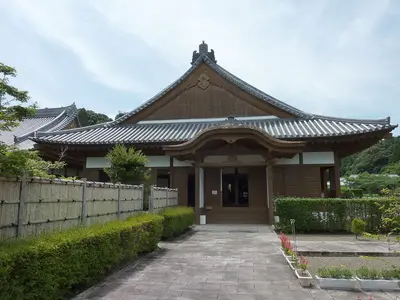
Obi Castle

飫肥城·Obi-jo

D Tourism Score 52/100
B Defense Score 76/100

Southern Japan's most charming castle town — a cedar-forest compound, well-preserved samurai streets, and Obi tempura, all largely unknown to foreign visitors.

#96 — 100 Famous Castles Reconstructed
Obi Castle (飫肥城)
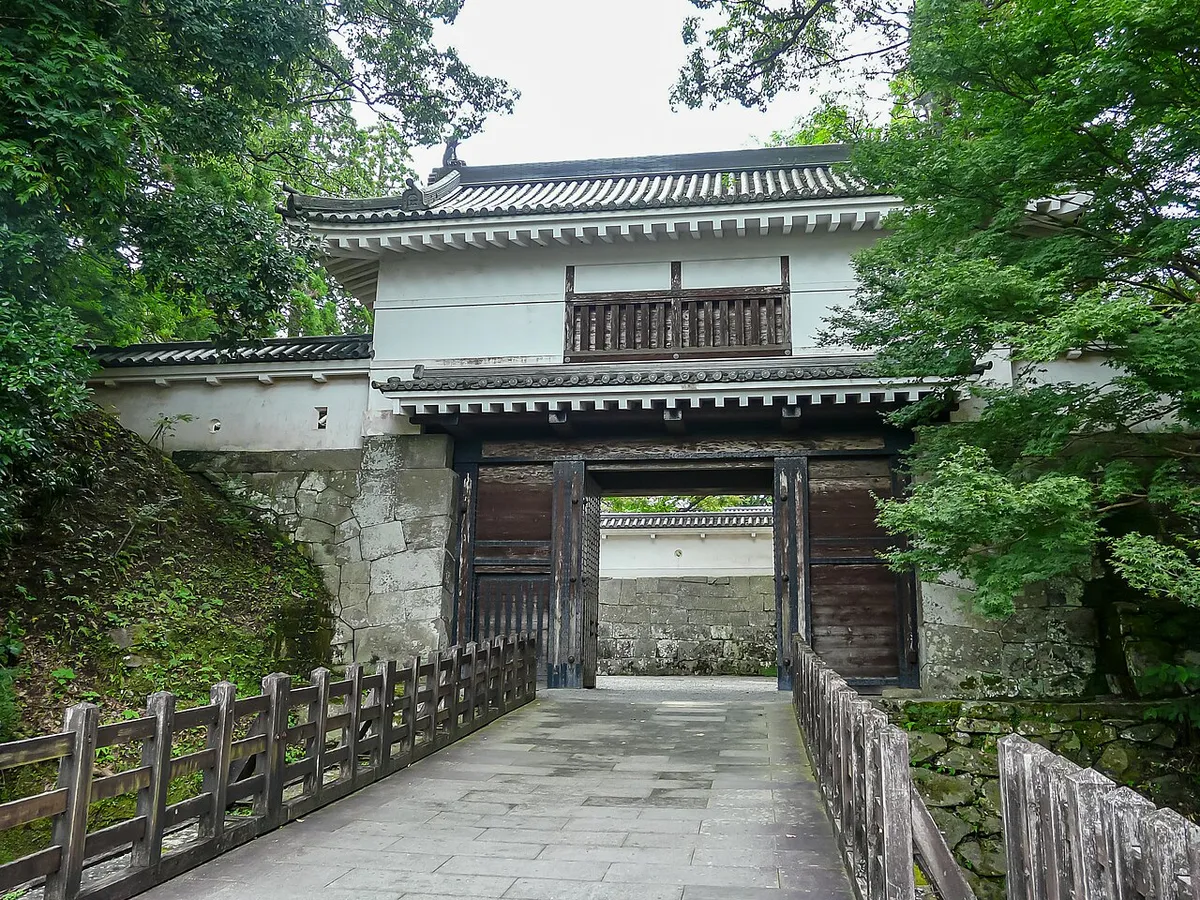
Photo:Naokijp/Wikimedia Commons/CC BY-SA 4.0

Quick Facts

Quick Facts

Admission
¥300

¥100

Hours
09:30 – 17:00

Last entry 16:30

Nearest Station
Obi Station (JR Nichinan Line)
Walk from Station
10 min walk
Time Needed
2–3 hours (castle + castle town walk + Yoshokan samurai residence)

Single facility ticket: Adult ¥300, Child ¥100. 6-facility combo ticket: Adult ¥800, Child ¥350 (recommended).

Defense Overview

Defense Overview

Why Obi Castle was hard to attack

This castle is hard to attack because it combines a raised core with defended outer space with a controlled route inward.

An attacker would not get a simple direct approach to the center. They would have to cross water barriers or moat lines, approach through at least some constrained entry space, and face more defensive depth after the first line.

Overall score

76/100

Estimated range

70–82

Confidence

B

Usable estimate with some inference

This is a site-original comparison score for learning and comparison, not a reconstruction of one historical battle.

Radar view

Terrain 16/20 Entrance 16/20 Internal 16/20 Siege 14/20 Oversight 14/20
How this estimate was built+

This estimate combines broad terrain, approach, layout, and route-control signals. It is meant to explain the castle's defensive logic in plain English, not reconstruct a single historical attack.

Terrain Advantage

How much the terrain itself seems to help: height, slope, ridges, cliffs, water edges, and limited approach directions.

16/20

Entrance Defense

How awkward and dangerous the first entry looks: gates, bridge or moat crossings, chokepoints, and forced turns.

16/20

Internal Complexity

How hard it seems to keep pushing after entry: layered baileys, depth, compartmentalization, and repeated defensive lines.

16/20

Siege Endurance

A rough sense of long-hold potential: moats, water access, space, storage plausibility, and defensive staying power.

14/20

Strategic Oversight

How much the castle appears to command nearby roads, plains, rivers, basins, harbors, or town approaches.

14/20

Why Visit

Obi rewards visitors who make the effort to reach it — the JR Nichinan Line journey from Miyazaki city through the coastal scenery is beautiful in itself, and Obi delivers a castle town atmosphere that more famous sites cannot match. The crowds are negligible, the cedar forest is magical, the samurai district is genuine, and the food is distinctive. This is the kind of place that becomes a cherished memory precisely because it does not try to sell itself to tourists. Combine with a visit to Udo Jingu shrine (on the Nichinan coast, about 40 minutes by bus) for a full day.

Highlights

1

The 'Kyoto of Hyuga' — Japan's Most Charming Castle Town

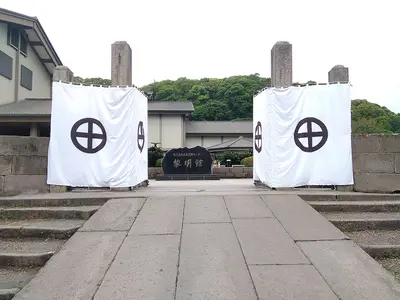
Obi is nicknamed 'Kyoto of Hyuga' (Hyuga no Kyoto) for its remarkably well-preserved castle town atmosphere. The streets around the castle retain their Edo-period character: whitewashed walls, broad forest of sugi cedars within the castle grounds, samurai residences, merchant streets, and the natural landscape of the Sakatani River valley. It is one of the most pleasant and least crowded castle town experiences in Japan.
2

Obi Tempura — The Original Deep-Fried Cuisine

Obi has a culinary claim to fame that few castle towns can match: Obi-ten (Obi tempura) is a unique style of deep-fried fish cake made with fish paste, tofu, and brown sugar — very different from standard tempura. The distinctive sweet, dense texture comes from the Ito domain's trade connections with Southeast Asia via Nagasaki. Sold throughout the castle town, it is one of Kyushu's most distinctive regional foods.

3

The Great Cedar Forest of the Castle Grounds

Unlike most castle grounds, which were cleared of large trees for defensive visibility, Obi Castle's inner compound is filled with towering sugi (Japanese cedar) trees creating a forest atmosphere within the fortifications. Walking through the main gate into this shaded grove — with the reconstructed gate and stone walls visible through the trees — is one of the most atmospheric castle experiences in southern Japan.

Structure Details

Visitor tip

Enter through the stone-walled main gate approach and step into the cedar forest of the main compound — it is immediately atmospheric. The combined ticket lets you visit the nearby Yoshokan (samurai residence) and the town history museum. Budget time to walk the castle town streets south of the grounds.

Castle type

Hill castle

Hill castle on flat terrain — built on a low hill above the Sakatani River valley, using the river and terrain for natural defense on multiple sides

Layout type

Concentric layout

Enclosure style — compounds on the hillside with the main compound at the highest point

Main tower

Partially reconstructed in wood — the main gate (Otemon) and secondary Ote-tsuzuki Yagura turret have been reconstructed in wood (1978). No main tower (tenshu) was built here originally — the compound had a honmaru御殿 (main hall) rather than a tower.

Stone walls

Natural stone stacking

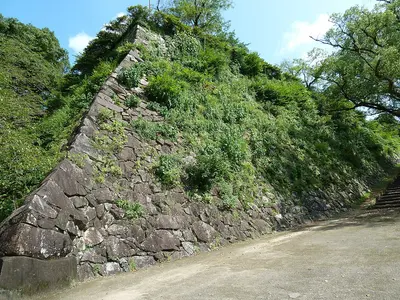
The stone walls surrounding the main compound are well-preserved and give the castle ruins substantial visual character. The main gate's stone wall base is particularly impressive, with the reconstructed wooden gate rising above solid ishigaki.

Key defensive features

Sakatani River Natural Barrier

The Sakatani River runs along the eastern edge of the castle hill, providing a natural moat that made approach from that direction extremely difficult without boats or bridge seizure.

Hillside Compound Layering

The castle compounds are arranged on a hillside, requiring attackers to ascend through successive defensive lines. The main compound at the summit is protected on multiple sides by the descent of the terrain.

The Story of Obi Castle

Originally built 1484 / Ito Suketsugu
Current form 1588 / Toyotomi Hideyoshi (assigned Ito clan back to Obi)
    1484

    The Ito clan establishes a castle at Obi after long conflict with the Shimazu clan for control of southern Hyuga Province. Obi becomes the Ito domain headquarters.

    1587

    Toyotomi Hideyoshi's Kyushu campaign defeats the Shimazu clan. Hideyoshi restores the Ito clan to Obi, and the domain continues under Ito rule for the entire Edo period — an unusually stable continuity of 280+ years under one family.

    1978

    The main gate (Otemon) and associated turret are reconstructed in wood on the original stone foundations. The reconstruction is considered one of the more authentic and visually appropriate in Kyushu.

    1991

    Obi castle town is selected as one of Japan's 'Important Preservation Districts for Groups of Historic Buildings' — the national designation protecting its Edo-period townscape.

Did You Know?

  • Obi did not have a main tower (tenshu) — unusually for a domain headquarters castle, the lords built a honmaru-goten (main palace hall) rather than a tower. This was likely a practical decision: the site's terrain did not particularly benefit from a tall tower for visibility, and the palace hall was more useful for administration.
  • The Ito clan ruled Obi for 280 years through the entire Edo period with only brief interruptions — one of the longer continuous single-family domain rules in Japanese history. This stability is reflected in the well-maintained castle town, which never suffered the disruptions of domain transfer.
  • Obi-ten (Obi tempura) contains brown sugar and tofu in its fish paste base — a recipe quite unlike standard tempura batter — and is eaten as a snack rather than part of a full meal. The brown sugar ingredient is attributed to trade connections through the Ryukyu Kingdom and Southeast Asia via Nagasaki traders who passed through the Ito domain.

Score Breakdown

Tourism Score

D 52/100
  • Accessibility 9 /20
  • Foreign-Friendly 9 /20
  • Historical Value 14 /20
  • Visual Impact 12 /20
  • Facilities 8 /20

Defense Score

B 76/100
  • Terrain Advantage 16 /20
  • Entrance Defense 16 /20
  • Internal Complexity 16 /20
  • Siege Endurance 14 /20
  • Strategic Oversight 14 /20

Planning Your Visit

Best Time to Visit

Spring (cherry blossoms in the grounds) and autumn (cool weather, forest colors). Summer is very hot and humid in southern Miyazaki.

Time Needed

2–3 hours (castle + castle town walk + Yoshokan samurai residence)

Insider Tip

Buy the Obi-ten at one of the shops near the castle immediately after entering the town — eat it hot. Then walk the main castle town street (Omachi-dori) all the way through the preserved merchant district before heading to the castle grounds. The combination of living townscape and historical ruins gives you a much richer sense of what a castle town actually was.

Map

Getting There

Nearest station: Obi Station (JR Nichinan Line)
Walk from station: 10 min walk
Parking: Parking available near the castle town. Free at designated tourist lots.
Accessible with a JR Pass

Admission

Adult¥300
Child¥100

Single facility ticket: Adult ¥300, Child ¥100. 6-facility combo ticket: Adult ¥800, Child ¥350 (recommended).

Opening Hours

Open09:30 – 17:00
Last entry16:30

Open 9:30–17:00. Closed December 29–31.

Facilities

  • – English guides
  • – Audio guide
  • – Wheelchair access
  • ✓ Restrooms
  • ✓ Gift shop
  • ✓ Food nearby

Nearby Castles

Featured in collections

FAQ

Frequently Asked Questions

How do I get to Obi Castle?

The nearest station is Obi Station (JR Nichinan Line). From there it is about 10 minutes on foot.

How much does Obi Castle cost to enter?

Adult admission is ¥300 and child admission is ¥100.

Is Obi Castle worth visiting?

Obi rewards visitors who make the effort to reach it — the JR Nichinan Line journey from Miyazaki city through the coastal scenery is beautiful in itself, and Obi delivers a castle town atmosphere that more famous sites cannot match. The crowds are negligible, the cedar forest is magical, the samurai district is genuine, and the food is distinctive. This is the kind of place that becomes a cherished memory precisely because it does not try to sell itself to tourists. Combine with a visit to Udo Jingu shrine (on the Nichinan coast, about 40 minutes by bus) for a full day.

What are the opening hours of Obi Castle?

09:30 to 17:00, last entry 16:30.

How long should I spend at Obi Castle?

Plan for about 2–3 hours (castle + castle town walk + Yoshokan samurai residence), depending on how closely you want to explore the grounds.