Oko Castle

岡豊城·Oko-jo

F Tourism Score 38/100
A Defense Score 85/100

Where Chosokabe Motochika began his conquest of all Shikoku — one of the Sengoku period's greatest stories starts at this modest mountain castle above Kochi.

#180 — Continued 100 Castles Ruins
Oko Castle (岡豊城)
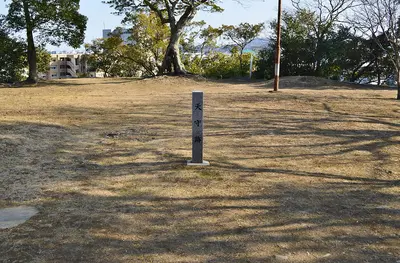
Photo:Reggaeman/Wikimedia Commons/CC BY-SA 3.0

Quick Facts

Quick Facts

Admission
Free Free
Hours
09:00 – 17:00

Last entry 16:30

Nearest Station
Gomen Station (JR Dosan Line / Tosa Kuroshio Railway)
Walk from Station
30 min walk

Bus also available

Time Needed
1.5 hours (museum + ruins)

Castle ruins are free. The adjacent Kochi Prefecture History Museum (Rekishi Minzoku Shiryokan) charges 520 yen for adults.

Defense Overview

Defense Overview

Why Oko Castle was hard to attack

This castle is hard to attack because it holds stronger ground above the surrounding approaches instead of letting attackers close on the core from easy footing.

An attacker would first have to fight the site itself before reaching the main defenses. They would have to cross water barriers or moat lines and face more defensive depth after the first line.

Overall score

85/100

Estimated range

79–91

Confidence

B

Usable estimate with some inference

This is a site-original comparison score for learning and comparison, not a reconstruction of one historical battle.

Radar view

Terrain 19/20 Entrance 17/20 Internal 17/20 Siege 15/20 Oversight 17/20
How this estimate was built+

This estimate combines broad terrain, approach, layout, and route-control signals. It is meant to explain the castle's defensive logic in plain English, not reconstruct a single historical attack.

Terrain Advantage

How much the terrain itself seems to help: height, slope, ridges, cliffs, water edges, and limited approach directions.

19/20

Entrance Defense

How awkward and dangerous the first entry looks: gates, bridge or moat crossings, chokepoints, and forced turns.

17/20

Internal Complexity

How hard it seems to keep pushing after entry: layered baileys, depth, compartmentalization, and repeated defensive lines.

17/20

Siege Endurance

A rough sense of long-hold potential: moats, water access, space, storage plausibility, and defensive staying power.

15/20

Strategic Oversight

How much the castle appears to command nearby roads, plains, rivers, basins, harbors, or town approaches.

17/20

Why Visit

Oko Castle is the origin story of one of the Sengoku period's most inspiring narratives. The ruins themselves are modest, but the adjacent museum provides exceptional context, and the ridgeline walk gives a tangible sense of the small footprint from which Motochika launched his island-wide ambitions. Essential for anyone interested in Shikoku Sengoku history. Easily combined with Kochi Castle (30 minutes away).

Highlights

1

Where Chosokabe Motochika Began His Conquest of All Shikoku

Oko Castle was the origin stronghold of Chosokabe Motochika — one of the most dramatic figures of the Sengoku period. Starting from just this small mountain castle and the lands immediately surrounding it, Motochika launched one of the greatest territorial expansions in Japanese history: within 20 years he had conquered all four provinces of Shikoku, unifying the entire island under a single lord. No comparable expansion from such modest origins exists in the Sengoku period.
2

The 'Earthworm Lord' Who Conquered an Island

Chosokabe Motochika was mocked in his youth as a weakling unlikely to amount to anything. His father even despaired of him. Then, at age 22, he proved himself in battle and began a methodical campaign of conquest. By 1585, when Hideyoshi's invasion finally stopped him, he had unified all of Shikoku — earning himself retrospective respect as one of the great Sengoku generals who came from nothing to control everything.

3

Mountain Castle with Important Museum Alongside

Unlike most provincial yamajiro ruins, Oko Castle benefits from the adjacent Kochi Prefecture History Museum, which provides thorough context for the castle's history and the Chosokabe clan's remarkable story. The museum's exhibits on Chosokabe clan history and the Sengoku period in Shikoku are among the best in the prefecture.

Structure Details

Visitor tip

Visit the museum first — the exhibits on Chosokabe Motochika's extraordinary Shikoku conquest provide essential context. Then walk the ridgeline ruins where the earthwork compounds are clearly delineated. The view from the summit over the Kochi coastal plain helps visualize how Motochika planned and executed his expansion.

Castle type

Mountain castle

Mountain castle — ridgeline fortress on a prominent hill above the Kochi coastal plain, used as the Chosokabe clan's home base for their island-wide conquest

Layout type

Linked compound layout

Compound style — multiple compounds on the ridgeline with earthwork and stone wall defenses

Main tower

Ruins — earthworks and some stone wall remnants survive; National Historic Site

Stone walls

Natural stone stacking

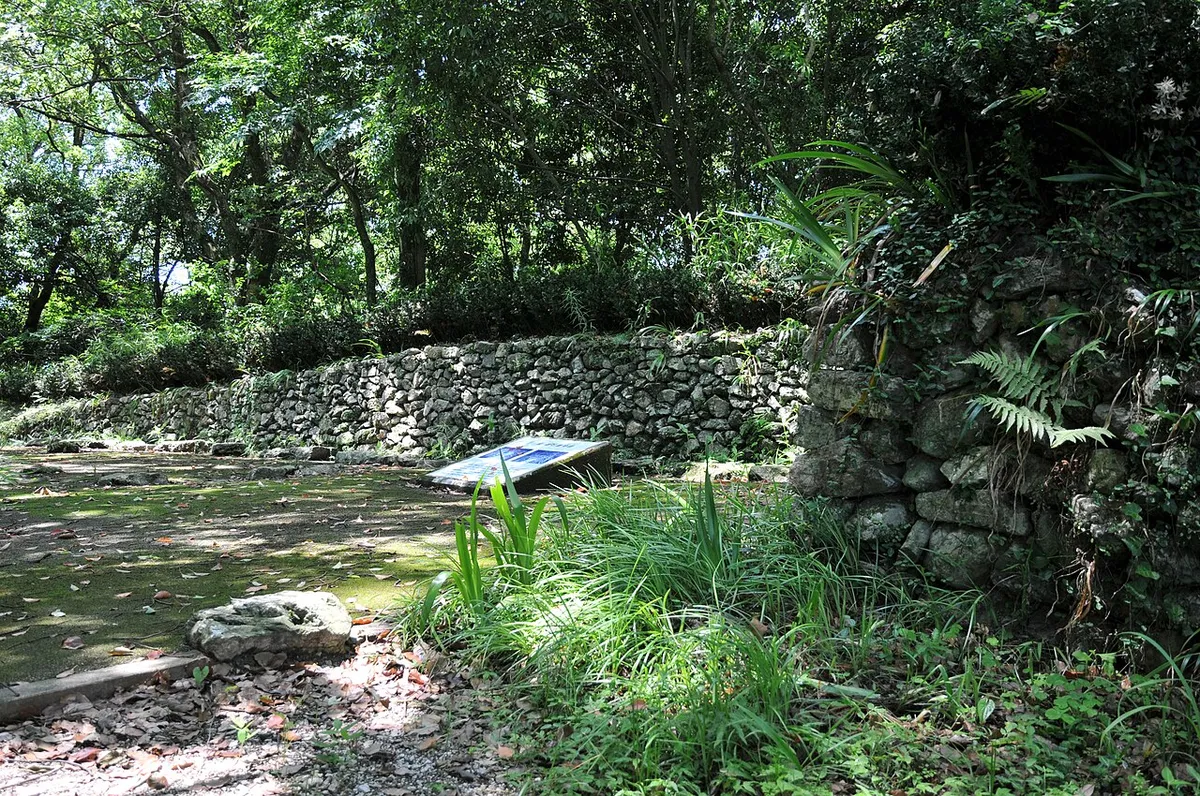
The castle defenses combine earthwork platforms with sections of natural stone walling. The earthwork system is well-preserved and clearly readable on the ridgeline.

Key defensive features

Ridgeline Position Above Kochi Plain

The castle's prominent ridgeline position gave Chosokabe forces commanding views over the surrounding Kochi coastal plain — essential for managing a multi-province conquest campaign from a single base.

Horikiri Ditch System

Horikiri ditches cut across the ridge approaches created successive defensive barriers.

Steep Natural Hillsides

The natural steep hillsides made direct assault from non-ridge directions impractical — attackers were funneled onto the ridgeline approach.

The Story of Oko Castle

Originally built 1390 / Chosokabe clan (early period)
Current form 1560 / Chosokabe Motochika
    1390

    The Chosokabe clan establishes Oko Castle as their home stronghold in Tosa Province (Kochi). At this point, the Chosokabe control only a small portion of Tosa — they are a minor local family.

    1560

    Chosokabe Motochika, at age 22, proves himself in battle for the first time. He begins methodically consolidating Chosokabe control over Tosa Province, using Oko Castle as his operational base.

    1575

    Motochika has unified the entirety of Tosa Province under Chosokabe control. He now sets his sights on expanding beyond Tosa's mountain borders.

    1585

    Chosokabe Motochika achieves the unification of all four Shikoku provinces. He holds this position for approximately one year before Toyotomi Hideyoshi's massive invasion force arrives. Motochika surrenders and is permitted to retain Tosa Province only.

    1600

    Chosokabe Morichika fights on the Toyotomi side at Sekigahara. The Chosokabe are completely dispossessed following the Tokugawa victory. Oko Castle is abandoned as the Yamanouchi clan takes control of Tosa.

In Pop Culture

TV

Ryoma-den (NHK Taiga Drama, 2010)

The NHK Taiga Drama about Sakamoto Ryoma touched on the Chosokabe clan's history as the founders of Tosa's warrior culture.

other

Various Chosokabe Motochika historical novels and games

Chosokabe Motochika is a popular figure in Japanese historical fiction and Sengoku strategy games. Oko Castle appears as his starting base in many such works.

Did You Know?

  • Chosokabe Motochika conquered all four provinces of Shikoku starting from a single small mountain castle with limited resources. His expansion is one of the most dramatic in Sengoku history.
  • The young Motochika was nicknamed 'Himawari Wakasama' (Sunflower Young Lord) by his retainers — apparently meaning he was considered gentle or weak. The people who gave him that nickname did not survive long enough to see how wrong they were.
  • After Hideyoshi's invasion confined the Chosokabe back to Tosa, Motochika spent the remaining years of his life conducting naval campaigns — he was a key participant in Hideyoshi's invasions of Korea, commanding Chosokabe naval forces.

Score Breakdown

Tourism Score

F 38/100
  • Accessibility 7 /20
  • Foreign-Friendly 4 /20
  • Historical Value 15 /20
  • Visual Impact 7 /20
  • Facilities 5 /20

Defense Score

A 85/100
  • Terrain Advantage 19 /20
  • Entrance Defense 17 /20
  • Internal Complexity 17 /20
  • Siege Endurance 15 /20
  • Strategic Oversight 17 /20

Planning Your Visit

Best Time to Visit

Year-round. The museum is the primary draw and operates in all seasons.

Time Needed

1.5 hours (museum + ruins)

Insider Tip

Visit the museum before the ruins — the Chosokabe story needs context to be fully appreciated. The display on the Chosokabe One Hundred Articles — a remarkable early legal code — is a highlight that most visitors skip.

Map

Getting There

Nearest station: Gomen Station (JR Dosan Line / Tosa Kuroshio Railway)
Walk from station: 30 min walk
Bus: Bus from Kochi city to the Oko Castle area. Taxi recommended for direct access.
Parking: Free parking at the Kochi Prefecture History Museum adjacent to the ruins.

Admission

Free

Castle ruins are free. The adjacent Kochi Prefecture History Museum (Rekishi Minzoku Shiryokan) charges 520 yen for adults.

Opening Hours

Open09:00 – 17:00
Last entry16:30

Museum hours. Castle ruins accessible during daylight hours. Closed Mondays and year-end.

Facilities

  • – English guides
  • – Audio guide
  • ✓ Wheelchair access
  • ✓ Restrooms
  • ✓ Gift shop
  • – Food nearby

Nearby Castles

Featured in collections

FAQ

Frequently Asked Questions

How do I get to Oko Castle?

The nearest station is Gomen Station (JR Dosan Line / Tosa Kuroshio Railway). From there it is about 30 minutes on foot. Bus from Kochi city to the Oko Castle area. Taxi recommended for direct access.

How much does Oko Castle cost to enter?

Oko Castle is free to enter.

Is Oko Castle worth visiting?

Oko Castle is the origin story of one of the Sengoku period's most inspiring narratives. The ruins themselves are modest, but the adjacent museum provides exceptional context, and the ridgeline walk gives a tangible sense of the small footprint from which Motochika launched his island-wide ambitions. Essential for anyone interested in Shikoku Sengoku history. Easily combined with Kochi Castle (30 minutes away).

What are the opening hours of Oko Castle?

09:00 to 17:00, last entry 16:30.

How long should I spend at Oko Castle?

Plan for about 1.5 hours (museum + ruins), depending on how closely you want to explore the grounds.