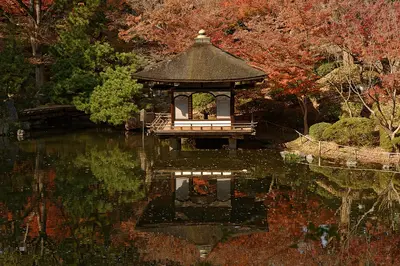
Shingu Castle

新宮城·Shingu-jo

F Tourism Score 38/100
C Defense Score 69/100

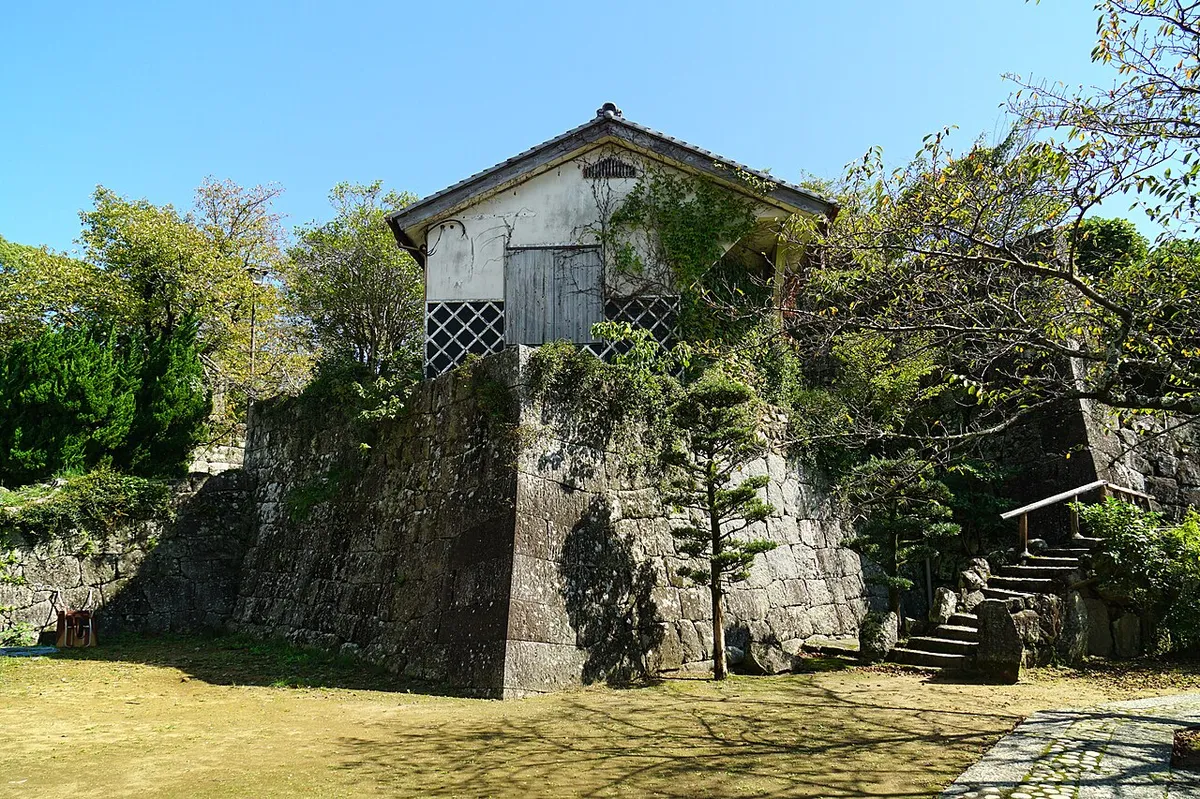
Stone walls above the sacred Kumano River mouth — early Edo period masonry in excellent condition at the gateway to Japan's ancient pilgrimage country.

#167 — Continued 100 Castles Ruins
Shingu Castle (新宮城)
Photo:663highland/Wikimedia Commons/CC BY-SA 4.0

Quick Facts

Quick Facts

Admission
Free Free
Hours
00:00 – 23:59
Nearest Station
Shingu Station (JR Kisei Main Line / JR Wakayama Line)
Walk from Station
10 min walk
Time Needed
1 hour

Free admission. The ruins are a public park (Shingu Castle Park). Stone walls survive but no standing buildings.

Defense Overview

Defense Overview

Why Shingu Castle was hard to attack

This castle is hard to attack because it combines a raised core with defended outer space with a controlled route inward.

An attacker would not get a simple direct approach to the center. They would have to cross water barriers or moat lines, approach through at least some constrained entry space, and face more defensive depth after the first line.

Overall score

69/100

Estimated range

63–75

Confidence

B

Usable estimate with some inference

This is a site-original comparison score for learning and comparison, not a reconstruction of one historical battle.

Radar view

Terrain 14/20 Entrance 14/20 Internal 16/20 Siege 13/20 Oversight 12/20
How this estimate was built+

This estimate combines broad terrain, approach, layout, and route-control signals. It is meant to explain the castle's defensive logic in plain English, not reconstruct a single historical attack.

Terrain Advantage

How much the terrain itself seems to help: height, slope, ridges, cliffs, water edges, and limited approach directions.

14/20

Entrance Defense

How awkward and dangerous the first entry looks: gates, bridge or moat crossings, chokepoints, and forced turns.

14/20

Internal Complexity

How hard it seems to keep pushing after entry: layered baileys, depth, compartmentalization, and repeated defensive lines.

16/20

Siege Endurance

A rough sense of long-hold potential: moats, water access, space, storage plausibility, and defensive staying power.

13/20

Strategic Oversight

How much the castle appears to command nearby roads, plains, rivers, basins, harbors, or town approaches.

12/20
Why Visit

Shingu Castle is the perfect complement to the Kumano pilgrimage experience. If you're traveling the Kinokuni Line through the Kii Peninsula to the Kumano Grand Shrines, Shingu Castle is a short walk from the station and the stone walls are genuinely impressive. The view over the Kumano River mouth and Pacific Ocean from the summit is one of the better castle views in the Kinki region.

Highlights

1

Stone Walls Overlooking the Kumano River

Shingu Castle sits on Danjogayama hill directly above the confluence of the Kumano River and the sea — one of the most dramatic natural settings of any castle in the Kinki region. The stone walls rise dramatically from the hillside, and the view from the summit over the river mouth and Pacific Ocean is spectacular.

2

Gateway to the Kumano Pilgrimage

Shingu city is one of the three grand shrines at the heart of the ancient Kumano pilgrimage route — one of UNESCO's World Heritage Sites. Shingu Castle was built to control this sacred and economically vital region, where millions of pilgrims have traveled for over a thousand years.

3

Preserved Stone Wall System in Excellent Condition

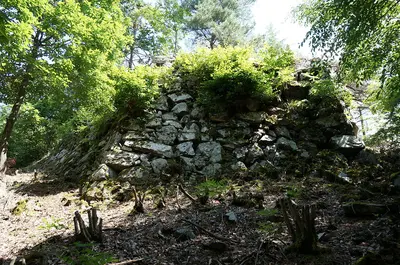
The castle's stone walls — built in the early Edo period using the nozurazumi natural stone technique — survive in excellent condition and are considered among the finest surviving examples of castle masonry in the Kii Peninsula region.

Structure Details

Visitor tip

The walk up to the castle summit takes about 15-20 minutes from the park entrance. The stone walls encountered on the way up are impressively preserved. The view from the summit over the Kumano River mouth and Pacific Ocean is the visual highlight.

Castle type

Hill castle

Hill-top flatland castle — built on Danjogayama hill above the Kumano River confluence, combining hill position with river and sea water barriers

Layout type

Linked compound layout

Compound style — multiple compounds arranged on the hillside with main compound at summit

Main tower

Ruins — stone walls survive in excellent condition; all wooden structures demolished in the Meiji period

Stone walls

Natural stone stacking

The stone walls of Shingu Castle are among the finest surviving examples of early Edo period castle masonry in the Kinki region. Large sections of original wall survive at impressive heights.

Key defensive features

Hilltop Position Above River Confluence

The castle sits on a natural hill above the point where the Kumano River meets the sea — commanding views in all directions and control over both river and coastal approaches.

Excellent Stone Wall Preservation

The surviving stone walls allow visitors to appreciate the full defensive perimeter of the castle's compound system — multiple levels of walls on the hillside.

River and Sea Water Barriers

The natural water barriers of the Kumano River and the Pacific Ocean made approach from the south and east impossible.

The Story of Shingu Castle

Originally built 1618 / Mizuno Katsunari
Current form 1618 / Mizuno Katsunari
    1618

    Mizuno Katsunari begins construction of Shingu Castle on Danjogayama hill under Tokugawa authorization, establishing control over the strategic Kumano region. The castle is designed to control both the sea trade routes and the sacred Kumano pilgrimage traffic.

    1619

    The Kishu domain is reorganized under Tokugawa Yorinobu (one of Ieyasu's sons), making the entire Kii Peninsula a major Tokugawa family domain. Shingu Castle becomes part of this important domain structure.

    1871

    Following the Meiji Restoration, Shingu Castle's wooden structures are demolished. The stone walls are left in place. The site becomes public parkland.

    2017

    Shingu Castle is designated a continued 100 Famous Castles site, bringing renewed attention to its well-preserved stone walls and strategic position above the Kumano River.

In Pop Culture

TV

NHK Kumano Pilgrimage documentaries

Shingu city and the Kumano region are extensively covered in NHK documentaries about the ancient pilgrimage routes and sacred landscapes of the Kii Peninsula.

Did You Know?

  • Shingu Castle controls the approach to one of Japan's most sacred regions — the Kumano Sanzan (three grand shrines), which are central to one of the world's oldest continuous pilgrimage traditions.
  • The Kumano River flowing below Shingu Castle is considered one of Japan's most sacred rivers — boats have traveled upstream toward the sacred sites at Hongu for over a thousand years.
  • Shingu city is the eastern terminus of the ancient Kumanokodo pilgrimage road. Many pilgrims arriving by sea would have seen Shingu Castle on its hill as their first major landmark.

Score Breakdown

Tourism Score

F 38/100
  • Accessibility 8 /20
  • Foreign-Friendly 5 /20
  • Historical Value 11 /20
  • Visual Impact 8 /20
  • Facilities 6 /20

Defense Score

C 69/100
  • Terrain Advantage 14 /20
  • Entrance Defense 14 /20
  • Internal Complexity 16 /20
  • Siege Endurance 13 /20
  • Strategic Oversight 12 /20

Planning Your Visit

Best Time to Visit

Year-round. Spring cherry blossoms are popular. Autumn with its pilgrimage traffic and foliage is also excellent.

Time Needed

1 hour

Insider Tip

After the castle, visit Hayatama Taisha Grand Shrine at the base of the hill — one of the three Kumano Grand Shrines — for the complete Shingu historical and spiritual experience.

Map

Getting There

Nearest station: Shingu Station (JR Kisei Main Line / JR Wakayama Line)
Walk from station: 10 min walk
Parking: Free parking available at the castle park base.
Accessible with a JR Pass

Admission

Free

Free admission. The ruins are a public park (Shingu Castle Park). Stone walls survive but no standing buildings.

Opening Hours

Open00:00 – 23:59

Open at all times. Cherry blossoms popular in spring.

Facilities

  • – English guides
  • – Audio guide
  • – Wheelchair access
  • ✓ Restrooms
  • – Gift shop
  • ✓ Food nearby

Nearby Castles

Featured in collections

FAQ

Frequently Asked Questions

How do I get to Shingu Castle?

The nearest station is Shingu Station (JR Kisei Main Line / JR Wakayama Line). From there it is about 10 minutes on foot.

How much does Shingu Castle cost to enter?

Shingu Castle is free to enter.

Is Shingu Castle worth visiting?

Shingu Castle is the perfect complement to the Kumano pilgrimage experience. If you're traveling the Kinokuni Line through the Kii Peninsula to the Kumano Grand Shrines, Shingu Castle is a short walk from the station and the stone walls are genuinely impressive. The view over the Kumano River mouth and Pacific Ocean from the summit is one of the better castle views in the Kinki region.

What are the opening hours of Shingu Castle?

00:00 to 23:59.

How long should I spend at Shingu Castle?

Plan for about 1 hour, depending on how closely you want to explore the grounds.