Tomioka Castle

富岡城·Tomioka-jo

F Tourism Score 38/100
B Defense Score 76/100

Where Japan's last Christian rebellion besieged the island fortress — Tomioka Castle at the heart of the Shimabara Rebellion and Japan's 'Hidden Christian' heritage.

#189 — Continued 100 Castles Ruins
Tomioka Castle (富岡城)
Photo:Taken by YAPON(ja:利用者:YAPON)/Wikimedia Commons/CC BY-SA 3.0

Quick Facts

Quick Facts

Admission
Free Free
Hours
09:00 – 17:00

Last entry 16:30

Nearest Station
Misumi Station (JR Misumi Line)
Walk from Station
0 min walk

Bus also available

Time Needed
Half day (including ferry journey)

Free admission to the ruins. The adjacent Amakusa Tomioka Castle Museum charges a fee. Stone walls survive; no original standing buildings — a turret has been partially reconstructed.

Defense Overview

Defense Overview

Why Tomioka Castle was hard to attack

This castle is hard to attack because it combines a raised core with defended outer space with enough defensive depth to slow attackers before the center.

An attacker would not get a simple direct approach to the center. They would have to cross water barriers or moat lines and push through successive outer areas before the core.

Overall score

76/100

Estimated range

70–82

Confidence

B

Usable estimate with some inference

This is a site-original comparison score for learning and comparison, not a reconstruction of one historical battle.

Radar view

Terrain 15/20 Entrance 14/20 Internal 16/20 Siege 16/20 Oversight 15/20
How this estimate was built+

This estimate combines broad terrain, approach, layout, and route-control signals. It is meant to explain the castle's defensive logic in plain English, not reconstruct a single historical attack.

Terrain Advantage

How much the terrain itself seems to help: height, slope, ridges, cliffs, water edges, and limited approach directions.

15/20

Entrance Defense

How awkward and dangerous the first entry looks: gates, bridge or moat crossings, chokepoints, and forced turns.

14/20

Internal Complexity

How hard it seems to keep pushing after entry: layered baileys, depth, compartmentalization, and repeated defensive lines.

16/20

Siege Endurance

A rough sense of long-hold potential: moats, water access, space, storage plausibility, and defensive staying power.

16/20

Strategic Oversight

How much the castle appears to command nearby roads, plains, rivers, basins, harbors, or town approaches.

15/20

Why Visit

Tomioka Castle requires commitment to visit — the ferry to Amakusa island is an integral part of the experience. But the Amakusa islands are beautiful, the castle's stone walls are well-preserved, and the connection to the Shimabara Rebellion and the Hidden Christian heritage makes this one of the most historically rich sites in Kyushu. Allow a full day.

Highlights

1

The Castle at the Heart of the Shimabara Rebellion

Tomioka Castle was the primary target of the Shimabara Rebellion (1637-1638) — Japan's largest peasant uprising and the last major armed conflict of the Edo period. A massive force of Christian peasants, led by the teenage Amakusa Shiro, besieged Tomioka Castle as part of their desperate rebellion against crushing taxes and religious persecution. The castle held, and the rebellion ultimately failed — but not before shaking the Tokugawa shogunate and prompting the complete closure of Japan to Christianity.
2

The Last Stand of Japanese Christianity

Amakusa (the islands where Tomioka Castle stands) was one of the last strongholds of Japanese Christianity in the early Edo period. The Shimabara Rebellion was, at its heart, a desperate uprising by Christian peasants facing forced apostasy and economic ruin. Tomioka Castle stands at the center of the last armed resistance of Japanese Christian culture before the faith went underground for over 200 years.

3

Sea Views Over the Amakusa Islands

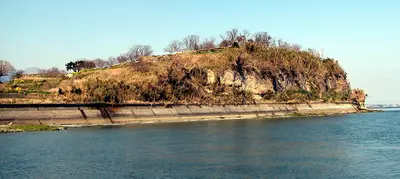
Tomioka Castle sits on a promontory above Tomioka Harbor on Amakusa Shimoshima Island — one of the western Kyushu archipelago's most scenic locations. The view from the castle site over the island-dotted Amakusa Sea is spectacular.

Structure Details

Visitor tip

Tomioka Castle is worth the ferry journey from the Kumamoto coast — the Amakusa islands are beautiful and the castle's connection to the Shimabara Rebellion makes it historically significant. The stone walls are well-preserved and the harbor views are excellent. Allow a full day for the island visit including the ferry journey.

Castle type

Hill castle

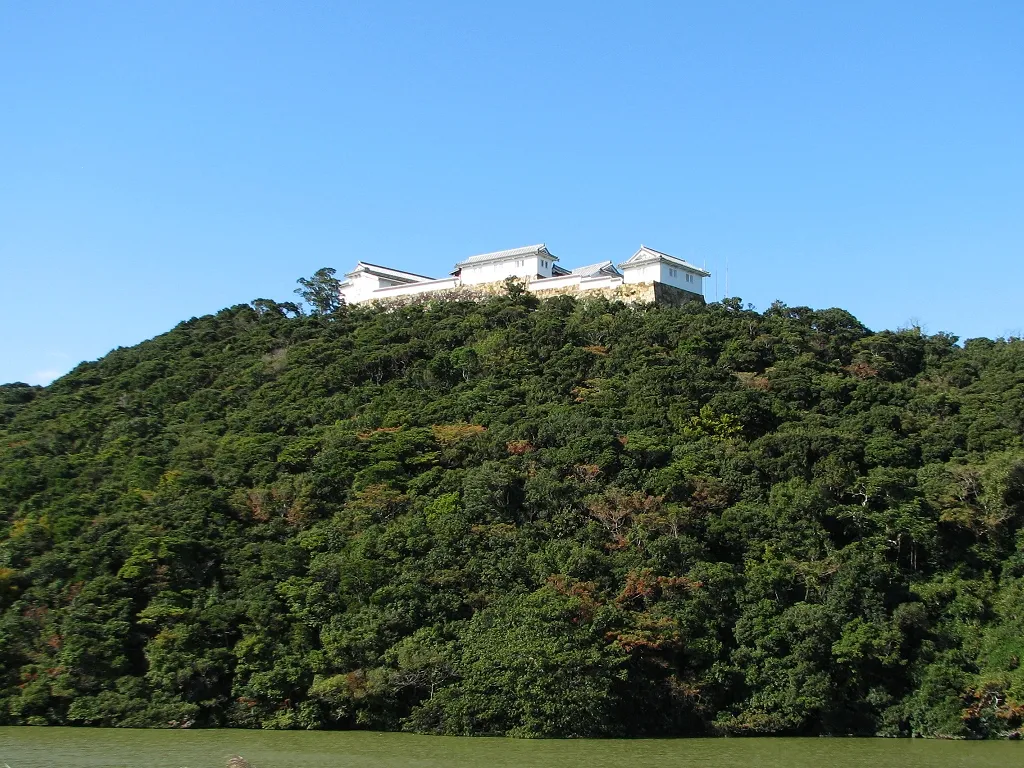
Hill-top flatland castle — coastal promontory fortress above Tomioka harbor on Amakusa Island, with sea barriers and hillside defense

Layout type

Linked compound layout

Compound style — compounds arranged on the harbor promontory with stone walls and a partially reconstructed turret

Main tower

Ruins with partial reconstruction — stone walls survive; a turret (yagura) reconstruction provides a visual focal point

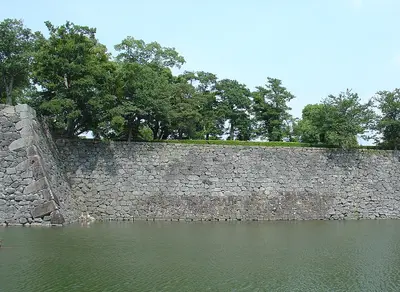
Stone walls

Natural stone stacking

The stone walls at Tomioka Castle are well-preserved and substantial — some of the best-surviving early Edo period ishigaki in Kyushu's island territories.

Key defensive features

Coastal Promontory Position

The castle on its harbor promontory controlled both sea and land approaches to Tomioka. The sea barriers reduced the number of viable attack directions.

Stone Wall Defense

The nozurazumi stone walls successfully held against the rebel force in 1637 — they lacked artillery capable of breaching them.

Harbor Visibility

The castle's position above the harbor gave defenders immediate visibility of any naval approach.

The Story of Tomioka Castle

Originally built 1604 / Terasawa Hirotaka
Current form 1604 / Terasawa Hirotaka
    1604

    Terasawa Hirotaka, lord of the Amakusa domain under Tokugawa authority, builds Tomioka Castle on the harbor promontory to control the strategically important island waters of western Kyushu. The islands are known for their Christian population.

    1637

    The Shimabara Rebellion erupts — a massive uprising of Christian peasants on the Shimabara Peninsula and Amakusa islands. The teenage Amakusa Shiro leads the rebel army. Tomioka Castle is besieged by a force of tens of thousands.

    1637

    Tomioka Castle's garrison holds against the rebel siege. The castle's stone walls prove impervious to the rebels' limited siege equipment. Relief forces eventually reach the island.

    1638

    The Shimabara Rebellion ends with the mass slaughter of approximately 37,000 rebels and their families at Hara Castle. The Tokugawa response includes the completion of Japan's closure policy and the suppression of all Christian practice.

    1641

    Terasawa Hiroyuki commits suicide following the aftermath of the Shimabara Rebellion. The domain is confiscated and Tomioka Castle is managed under shogunal direct control thereafter.

In Pop Culture

TV

Amakusa Shiro NHK documentaries

The dramatic story of Amakusa Shiro and the Shimabara Rebellion — including the siege of Tomioka Castle — is a frequent subject of NHK historical documentary programming.

other

Amakusa Hidden Christian Heritage UNESCO coverage

The Amakusa 'Hidden Christian' heritage (Kakure Kirishitan) is a UNESCO World Heritage Site that includes the historical landscape of the Shimabara Rebellion. Tomioka Castle's role is covered in UNESCO-related publications.

Did You Know?

  • The Shimabara Rebellion, which began with the siege of Tomioka Castle, was the last major armed conflict in Japan until the Boshin War of 1868-1869 — approximately 230 years of peace.
  • Amakusa Shiro, the teenage rebel leader who besieged Tomioka Castle, was reportedly a remarkably charismatic young man believed by his followers to have miraculous powers including walking on water and performing healing.
  • The 'Hidden Christians' (Kakure Kirishitan) of Amakusa maintained hidden religious traditions that blended Catholic Christianity with Japanese folk religious practices for over 200 years. Their heritage is now a UNESCO World Cultural Heritage Site.

Score Breakdown

Tourism Score

F 38/100
  • Accessibility 5 /20
  • Foreign-Friendly 6 /20
  • Historical Value 14 /20
  • Visual Impact 8 /20
  • Facilities 5 /20

Defense Score

B 76/100
  • Terrain Advantage 15 /20
  • Entrance Defense 14 /20
  • Internal Complexity 16 /20
  • Siege Endurance 16 /20
  • Strategic Oversight 15 /20

Planning Your Visit

Best Time to Visit

Spring and autumn for best island conditions. Summer is warm but the sea is beautiful.

Time Needed

Half day (including ferry journey)

Insider Tip

Combine Tomioka Castle with a visit to the Amakusa Christian Museum for the complete story of Japanese Christianity from the Portuguese missionaries through the Shimabara Rebellion to the Hidden Christians' emergence in the 19th century.

Map

Getting There

Nearest station: Misumi Station (JR Misumi Line)
Walk from station: 0 min walk
Bus: Ferry from Misumi Port to Tomioka Port on Amakusa Shimoshima Island (approx. 30 min). Bus or taxi from Tomioka Port to castle (10 min).
Parking: Free parking at the Tomioka Castle ruins area.
Accessible with a JR Pass

Admission

Free

Free admission to the ruins. The adjacent Amakusa Tomioka Castle Museum charges a fee. Stone walls survive; no original standing buildings — a turret has been partially reconstructed.

Opening Hours

Open09:00 – 17:00
Last entry16:30

Museum hours apply. Castle ruins accessible during daylight. Closed certain days — check locally.

Facilities

  • – English guides
  • – Audio guide
  • ✓ Wheelchair access
  • ✓ Restrooms
  • ✓ Gift shop
  • ✓ Food nearby

Nearby Castles

Featured in collections

FAQ

Frequently Asked Questions

How do I get to Tomioka Castle?

The nearest station is Misumi Station (JR Misumi Line). From there it is about 0 minutes on foot. Ferry from Misumi Port to Tomioka Port on Amakusa Shimoshima Island (approx. 30 min). Bus or taxi from Tomioka Port to castle (10 min).

How much does Tomioka Castle cost to enter?

Tomioka Castle is free to enter.

Is Tomioka Castle worth visiting?

Tomioka Castle requires commitment to visit — the ferry to Amakusa island is an integral part of the experience. But the Amakusa islands are beautiful, the castle's stone walls are well-preserved, and the connection to the Shimabara Rebellion and the Hidden Christian heritage makes this one of the most historically rich sites in Kyushu. Allow a full day.

What are the opening hours of Tomioka Castle?

09:00 to 17:00, last entry 16:30.

How long should I spend at Tomioka Castle?

Plan for about Half day (including ferry journey), depending on how closely you want to explore the grounds.