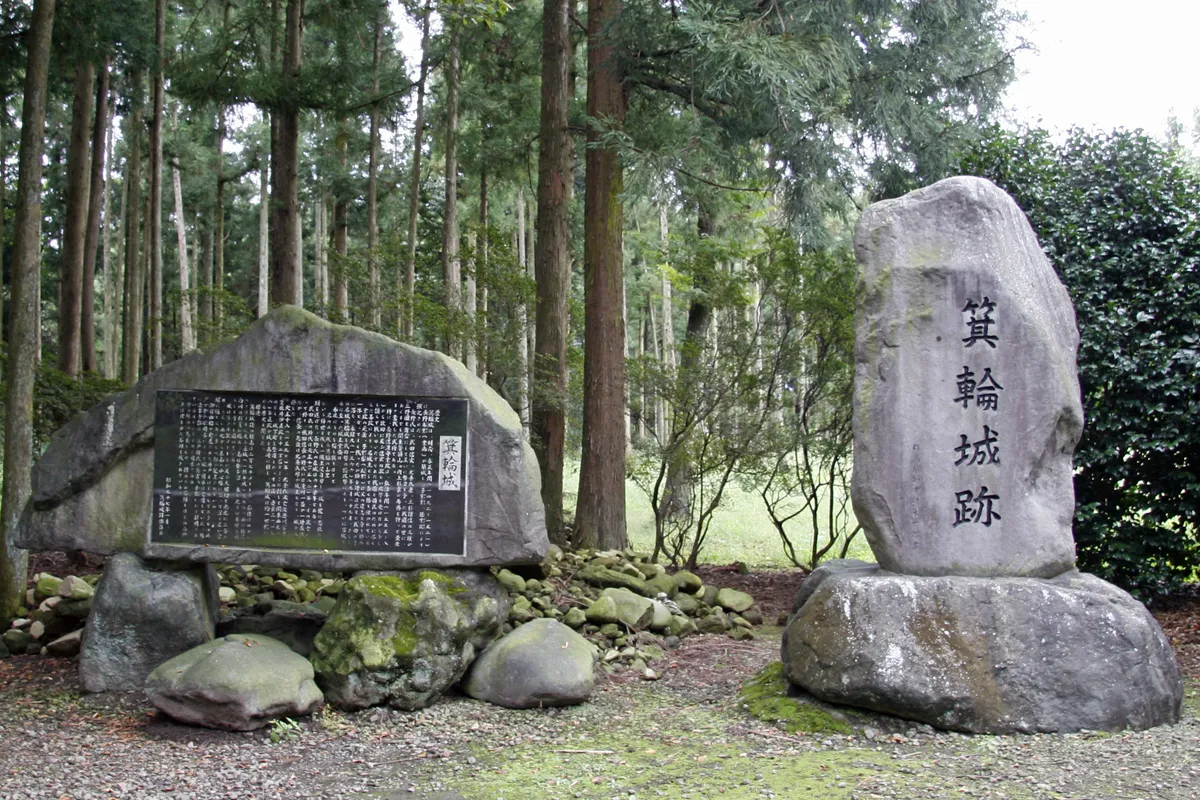
Minowa Castle

箕輪城·Minowa-jo

F Tourism Score 35/100
B Defense Score 76/100

The castle that resisted Takeda Shingen and Uesugi Kenshin — a vast earthwork system in Gunma preserving the memory of the Nagano clan's remarkable defense.

#16 — 100 Famous Castles Ruins
Minowa Castle (箕輪城)
Photo:デジタルカメラ/Wikimedia Commons/Public domain

Quick Facts

Quick Facts

Admission
Free Free
Hours
00:00 – 23:59
Nearest Station
Gunma-Haramachi Station (Joshin Dentetsu Line)
Walk from Station
20 min walk
Time Needed
1–1.5 hours

Free admission at all times. Outdoor ruins site with maintained paths and interpretive signage.

Defense Overview

Defense Overview

Why Minowa Castle was hard to attack

This castle is hard to attack because it combines a raised core with defended outer space with a controlled route inward.

An attacker would not get a simple direct approach to the center. They would have to cross water barriers or moat lines and face more defensive depth after the first line.

Overall score

76/100

Estimated range

70–82

Confidence

B

Usable estimate with some inference

This is a site-original comparison score for learning and comparison, not a reconstruction of one historical battle.

Radar view

Terrain 15/20 Entrance 14/20 Internal 16/20 Siege 16/20 Oversight 15/20
How this estimate was built+

This estimate combines broad terrain, approach, layout, and route-control signals. It is meant to explain the castle's defensive logic in plain English, not reconstruct a single historical attack.

Terrain Advantage

How much the terrain itself seems to help: height, slope, ridges, cliffs, water edges, and limited approach directions.

15/20

Entrance Defense

How awkward and dangerous the first entry looks: gates, bridge or moat crossings, chokepoints, and forced turns.

14/20

Internal Complexity

How hard it seems to keep pushing after entry: layered baileys, depth, compartmentalization, and repeated defensive lines.

16/20

Siege Endurance

A rough sense of long-hold potential: moats, water access, space, storage plausibility, and defensive staying power.

16/20

Strategic Oversight

How much the castle appears to command nearby roads, plains, rivers, basins, harbors, or town approaches.

15/20

Why Visit

Minowa Castle is a specialist's destination for Sengoku history enthusiasts and earthwork castle lovers. The scale of the surviving dry moat system is genuinely impressive, and the history — a minor clan holding out against two of Japan's greatest warlords — is gripping. The site is free, quiet, and well-maintained. The Joshin Dentetsu Line from Takasaki provides rail access, making it feasible without a car from Takasaki Station. The context of the Nagano clan's tragic last stand rewards those who read about the history before visiting.

Highlights

1

The Tragic Last Stand of the Nagano Clan

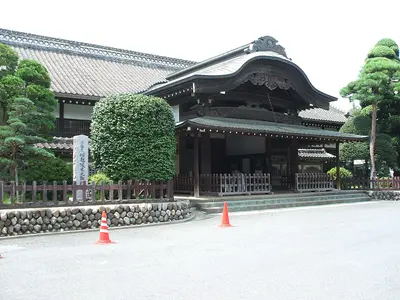
Minowa Castle is inseparable from the story of Nagano Narimasa and his son — the lords who held the castle against both Takeda Shingen and Uesugi Kenshin at the peak of Sengoku violence in the Kanto region. Narimasa defeated both warlords multiple times, making Minowa one of the most stubbornly defended castles in eastern Japan. After Narimasa's death, the castle fell to Takeda Shingen in 1566, ending the Nagano clan's independent power.
2

Massive Earthwork Scale

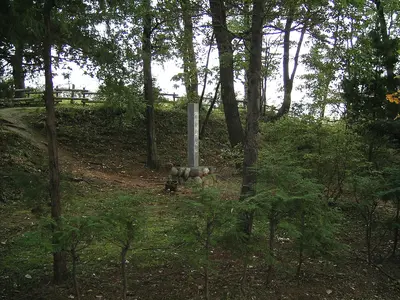
Minowa Castle is one of the largest earthwork castle complexes in the Kanto region — the system of enclosures, dry moats, earthen ramparts, and embankments extends across a considerable hilltop area and reveals the enormous investment required to hold this key Gunma position. The scale of the earthworks demonstrates why Minowa could resist the armies of both Takeda and Uesugi for so long.

3

Contested by Japan's Greatest Warlords

Minowa Castle was besieged by Uesugi Kenshin, Takeda Shingen, and later Toyotomi Hideyoshi — an extraordinary list that places it at the intersection of the major Sengoku power struggles in central Japan. This small castle in Gunma was sufficiently important that the greatest military commanders of the era devoted resources to attacking it.

Structure Details

Visitor tip

This is a rewarding ruins site for visitors willing to read earthworks as fortifications. Walk the dry moat level first, then ascend to the compound interiors to understand the layered defense concept. The ruins are well-maintained with interpretive boards, but all signage is in Japanese — bring a translation app. Combine with the Takasaki Castle ruins (city center) for a full Gunma castle day.

Castle type

Hill castle

Hill-top flatland castle — built on a low promontory above the surrounding Gunma plains, using the terrain to create multiple compound levels

Layout type

Concentric layout

Concentric compound style — multiple enclosures arranged concentrically, with extensive dry moat systems between compounds

Main tower

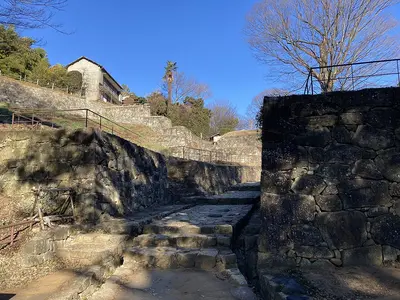
Earthwork ruins only — all wooden structures have been lost. Extensive earthen ramparts, dry moats, and compound outlines survive in excellent condition.

Stone walls

Earthen walls

The earthwork system at Minowa is remarkably well-preserved — the dry moats in particular are deep and clearly defined, giving visitors a strong impression of the original fortification's scale. The honmaru enclosure is identifiable and the multiple compound layers are legible from the site's high point.

Moats

Extensive dry moat (karabori) system — deep ditches cut between the compound enclosures, complemented by the natural valleys at the castle's flanks. The dry moats are the site's most impressive surviving feature.

Key defensive features

Multiple Dry Moat Lines

The deep dry moats between compound layers forced attackers to descend and re-ascend under fire from defenders on the embankments above. The moats are 5–10 meters deep in places and would have been filled with obstacles.

Concentric Compound System

Multiple concentric enclosures meant that even if an outer compound was breached, defenders could fall back through successive lines of defense. Each compound layer provided a fresh defensive position.

Natural Valley Flanks

The castle hilltop is flanked by natural valleys that form additional barriers on the east and west sides, channeling any attack into the fortified front approaches.

The Story of Minowa Castle

Originally built 1512 / Nagano Fusanori
Current form 1566 / Takeda Shingen (after capture)
    1512

    Nagano Fusanori constructs the initial fortification at Minowa, establishing the castle as the Nagano clan's base in the central Gunma region.

    1551

    Nagano Narimasa defeats an Uesugi Kenshin attack on Minowa — one of the most significant defensive victories of the period, establishing the castle's reputation for impregnability.

    1560

    Takeda Shingen begins his campaigns to capture Minowa. Nagano Narimasa resists multiple Takeda attacks, demonstrating that the castle's earthwork defenses could repel even Japan's most capable commander.

    1563

    Nagano Narimasa dies, ending the Nagano clan's capable leadership. Without his military skill, the castle's defense weakens despite the strength of its earthworks.

    1566

    Takeda Shingen finally captures Minowa Castle after years of siege and attrition, ending the Nagano clan's independent power. Shingen installs his own garrison and reinforces the earthworks.
    1590

    After the Odawara Campaign, Toyotomi Hideyoshi grants Minowa and the surrounding domain to Ii Naomasa — one of Tokugawa Ieyasu's top generals. Ii Naomasa later transfers his base to Hikone.

Did You Know?

  • Nagano Narimasa's defensive victories against both Uesugi Kenshin and Takeda Shingen — the two greatest military commanders of the Sengoku period — at the same castle makes him one of the most remarkable defensive commanders in Japanese military history. He is little known outside of castle history circles, which makes Minowa an underappreciated destination for those interested in Sengoku warfare.
  • The Ii clan's brief tenure at Minowa (1590–1600) is historically significant: Ii Naomasa was famous for his red-lacquered armor and his regiment of 'Red Devils' — the most feared unit in the Tokugawa army. The transition from Minowa to Hikone reflects the post-Sekigahara reorganization of castle domains in Japan.
  • Minowa Castle's dry moat system is one of the best-preserved examples of Sengoku-period earthwork defense in eastern Japan. The moats are visible on aerial photographs as a clear geometric pattern — a useful way to understand the castle's spatial layout before visiting.

Score Breakdown

Tourism Score

F 35/100
  • Accessibility 6 /20
  • Foreign-Friendly 4 /20
  • Historical Value 12 /20
  • Visual Impact 7 /20
  • Facilities 6 /20

Defense Score

B 76/100
  • Terrain Advantage 15 /20
  • Entrance Defense 14 /20
  • Internal Complexity 16 /20
  • Siege Endurance 16 /20
  • Strategic Oversight 15 /20

Planning Your Visit

Best Time to Visit

Spring (April–May) and autumn (October–November) for clear views of the earthworks without thick summer vegetation. Avoid visiting after heavy rain.

Time Needed

1–1.5 hours

Insider Tip

Walk the dry moat bottoms to understand the defensive geometry from the attacker's perspective — standing in a 7-meter-deep ditch looking up at an earthen rampart above gives a visceral sense of what assault meant. The castle is on a low hill that provides good views over the Gunma plain; from the honmaru area on a clear day, you can see the mountains of western Gunma where Uesugi forces would have approached. Combine with Kanayama Castle (a 30-minute drive) for a full Gunma mountain castle day.

Map

Getting There

Nearest station: Gunma-Haramachi Station (Joshin Dentetsu Line)
Walk from station: 20 min walk
Parking: Free parking area at the castle entrance.

Admission

Free

Free admission at all times. Outdoor ruins site with maintained paths and interpretive signage.

Opening Hours

Open00:00 – 23:59

Open year-round. The earthwork ruins are best visited in spring or autumn. Summer vegetation can obscure some earthwork features. Some paths may be muddy after rain.

Facilities

  • – English guides
  • – Audio guide
  • – Wheelchair access
  • ✓ Restrooms
  • – Gift shop
  • – Food nearby

Nearby Castles

Featured in collections

FAQ

Frequently Asked Questions

How do I get to Minowa Castle?

The nearest station is Gunma-Haramachi Station (Joshin Dentetsu Line). From there it is about 20 minutes on foot.

How much does Minowa Castle cost to enter?

Minowa Castle is free to enter.

Is Minowa Castle worth visiting?

Minowa Castle is a specialist's destination for Sengoku history enthusiasts and earthwork castle lovers. The scale of the surviving dry moat system is genuinely impressive, and the history — a minor clan holding out against two of Japan's greatest warlords — is gripping. The site is free, quiet, and well-maintained. The Joshin Dentetsu Line from Takasaki provides rail access, making it feasible without a car from Takasaki Station. The context of the Nagano clan's tragic last stand rewards those who read about the history before visiting.

What are the opening hours of Minowa Castle?

00:00 to 23:59.

How long should I spend at Minowa Castle?

Plan for about 1–1.5 hours, depending on how closely you want to explore the grounds.