Shirakawa Komine Castle

白河小峰城·Shirakawa Komine-jo

D Tourism Score 55/100
B Defense Score 73/100

Tohoku's most accessible castle — a careful wooden reconstruction twice-tested (1991 build, 2011 earthquake repair), five minutes' walk from the shinkansen corridor.

#13 — 100 Famous Castles Reconstructed
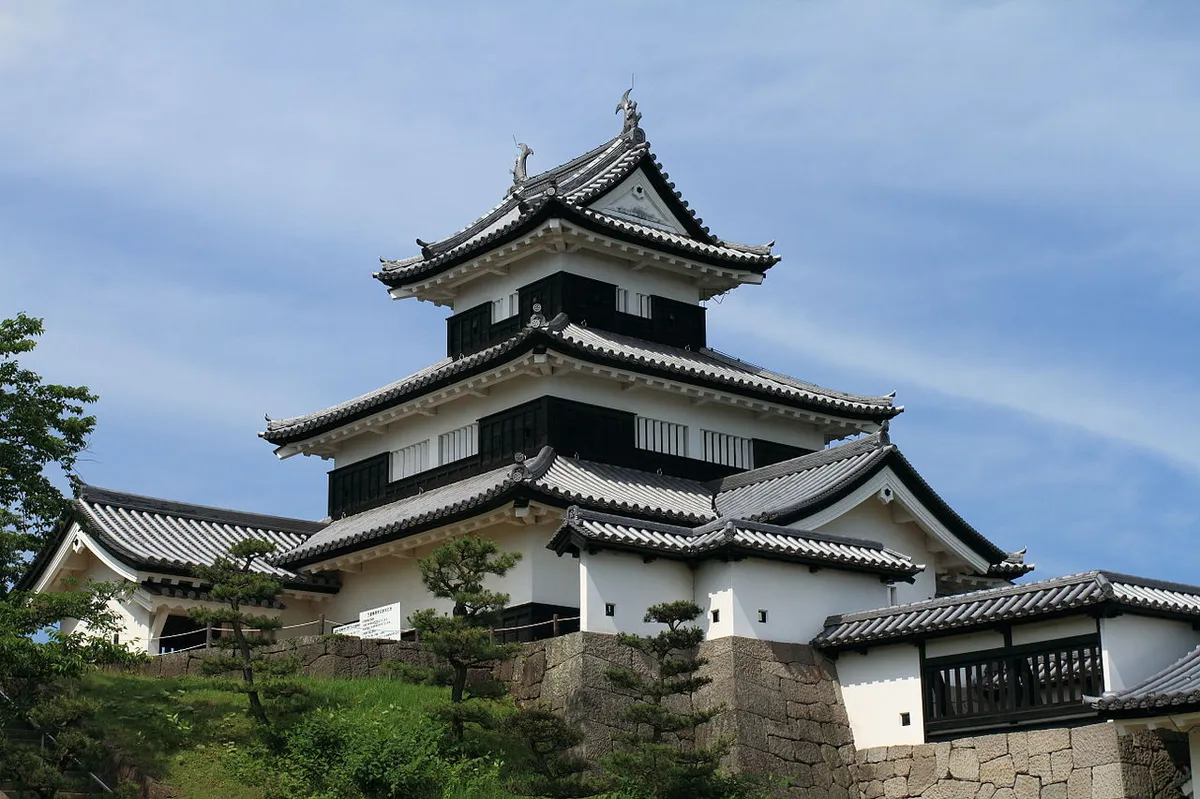
Shirakawa Komine Castle (白河小峰城)
Photo:baku13/Wikimedia Commons/CC BY-SA 2.1 jp

Quick Facts

Quick Facts

Admission
Free Free
Hours
09:30 – 17:00

Last entry 16:30

Nearest Station
Shirakawa Station (JR Tohoku Main Line)
Walk from Station
5 min walk
Time Needed
1–1.5 hours

Free entry to the castle grounds and reconstructed tower. Donations welcome at the site.

Defense Overview

Defense Overview

Why Shirakawa Komine Castle was hard to attack

This castle is hard to attack because it combines a raised core with defended outer space with enough defensive depth to slow attackers before the center.

An attacker would not get a simple direct approach to the center. They would have to cross water barriers or moat lines, approach through at least some constrained entry space, and push through successive outer areas before the core.

Overall score

73/100

Estimated range

67–79

Confidence

A

Strong multi-source support

This is a site-original comparison score for learning and comparison, not a reconstruction of one historical battle.

Radar view

Terrain 16/20 Entrance 16/20 Internal 16/20 Siege 13/20 Oversight 12/20
How this estimate was built+

This estimate combines broad terrain, approach, layout, and route-control signals. It is meant to explain the castle's defensive logic in plain English, not reconstruct a single historical attack.

Terrain Advantage

How much the terrain itself seems to help: height, slope, ridges, cliffs, water edges, and limited approach directions.

16/20

Entrance Defense

How awkward and dangerous the first entry looks: gates, bridge or moat crossings, chokepoints, and forced turns.

16/20

Internal Complexity

How hard it seems to keep pushing after entry: layered baileys, depth, compartmentalization, and repeated defensive lines.

16/20

Siege Endurance

A rough sense of long-hold potential: moats, water access, space, storage plausibility, and defensive staying power.

13/20

Strategic Oversight

How much the castle appears to command nearby roads, plains, rivers, basins, harbors, or town approaches.

12/20

Why Visit

Shirakawa Komine is an easy add-on for anyone traveling between Tokyo and Tohoku by train — it requires only a stop at Shirakawa Station and a 5-minute walk. The wooden reconstruction is genuinely worthwhile, and the earthquake damage/restoration story inside the tower adds contemporary depth. The cherry blossom season is one of Tohoku's best. For visitors with more time, the Boshin War history of the Shirakawa battles is an underexplored chapter of Japan's 1868 civil war.

Highlights

1

A Wooden Reconstruction Done Right

Shirakawa Komine Castle's 1991 wooden reconstruction is one of the most careful and historically grounded in Japan — built using traditional joinery techniques, without nails, by craftsmen trained in historic carpentry methods. Unlike concrete reconstructions that feel like museum props, the Komine tower has the mass and texture of a real wooden structure. The reconstruction project documented every step, making it a model for future castle restoration projects.
2

The 2011 Earthquake and Restoration

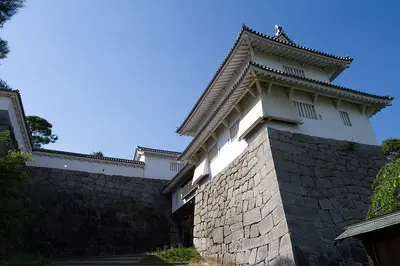
The March 2011 Great East Japan Earthquake — centered offshore but powerful enough to damage buildings across Tohoku — caused severe damage to the Komine Castle tower. The 1991 reconstruction, barely 20 years old, had stone walls collapse and the tower itself was significantly damaged. The subsequent restoration (completed 2020) used the same traditional techniques as the original reconstruction, and the earthquake damage and repair process is documented within the tower as a contemporary historical layer.

3

Shirakawa: Gateway to Northern Japan

Shirakawa has occupied a strategic position since ancient times — the 'Shirakawa Barrier' was one of three ancient frontier checkpoints marking the boundary between central and northern Japan (Tohoku). The castle site inherits this long strategic history, with the Boshin War of 1868 fought partly around Shirakawa as the new Meiji government forces pushed north through this gateway.

Structure Details

Visitor tip

The reconstruction tower is small but informative — the interior documentation of traditional construction techniques and the 2011 earthquake damage/restoration story makes visiting the inside worthwhile. The cherry blossom season (mid-April) is the most popular time. The castle is only 5 minutes' walk from Shirakawa Station, making it one of the most conveniently accessible castle sites in Tohoku.

Castle type

Hill castle

Hill-top flatland castle — built on a low hill overlooking the Nishino River in the Shirakawa Basin

Layout type

Linked compound layout

Compound style — main compound with subsidiary compounds and connecting stone walls

Main tower

Wooden reconstruction (1991) — rebuilt using traditional joinery techniques without nails. Damaged in 2011 earthquake; restored 2020. Three-story, three-floor tenshu.

16.3m3 floors, 1 below

Stone walls

Natural stone stacking

The stone walls are original Edo period construction, built under the Matsudaira clan in the early 17th century. Earthquake damage from 2011 caused significant wall collapses; the restoration work rebuilt damaged sections as faithfully as possible to the original, with documentation of which sections are original and which are restored.

Moats

Water moats surround the main compound on multiple sides. The moats and water features are well-maintained and form an attractive setting, particularly in cherry blossom season when petals fall into the water.

Key defensive features

Hilltop Position with River Barrier

The castle occupies a hill above the Nishino River, with the river providing a natural water barrier on one side and constructed moats completing the encirclement.

Stone Wall Encirclement

The compound is enclosed by stone walls on all sides with carefully positioned gates, forcing any attacker into covered approach corridors.

Shirakawa Barrier Strategic Position

The castle sits at the historical Shirakawa Barrier — the traditional gateway between central Japan and Tohoku. Control of this position was strategically critical for any power seeking to dominate northern Honshu.

The Story of Shirakawa Komine Castle

Originally built 1340 / Kofuji Tsunenobu
Current form 1627 / Matsudaira Tadashige
    1340

    Kofuji Tsunenobu builds an initial fortification on the hill at Shirakawa, exploiting the site's position at the traditional Shirakawa Barrier — the ancient frontier between central Japan and Tohoku.

    1627

    Matsudaira Tadashige rebuilds and expands the castle in its current form, constructing the stone walls and three-story tenshu. The Matsudaira clan (a branch of the Tokugawa family) holds the domain for much of the Edo period.

    1868

    In the Boshin War, Shirakawa becomes a major battleground as pro-Tokugawa northern domains resist the Meiji government advance. The Battle of Shirakawa is one of the war's significant engagements; the castle changes hands and sustains damage. The old tenshu is subsequently demolished.

    1991

    After a decade-long planning and research process, a wooden reconstruction of the castle tower is completed — one of the most technically careful castle reconstructions in Japan, using traditional joinery without nails.

    2011

    The March 11 Great East Japan Earthquake causes significant damage to the reconstructed tower and stone walls. The scale of damage to a modern wooden reconstruction built with traditional techniques reveals the forces involved.

    2020

    Restoration of earthquake damage is completed after nine years of work. The tower reopens and the documentation of damage and restoration is incorporated into the interior exhibition.

Did You Know?

  • The 1991 reconstruction of Komine Castle tower used traditional Japanese joinery techniques — entirely without nails, using only wooden joints and wooden pegs. This made it a landmark project in the Japanese castle restoration movement, demonstrating that pre-modern construction methods could still be executed in the late 20th century.
  • Shirakawa Komine is one of the closest significant castle sites to Tokyo accessible by regular JR train — about 2 hours from Tokyo on the Tohoku Main Line. This makes it an underused day-trip option for Tokyo-based visitors interested in Tohoku history.
  • The 'Shirakawa Barrier' (Shirakawa no Seki) mentioned in classical Japanese poetry was one of three ancient frontier posts marking the psychological boundary between 'Japan proper' and the northern frontier. Poets from the Heian period onward used crossing the Shirakawa Barrier as a literary trope for entering the wild north — it appears in works by Matsuo Basho and many classical poets.

Score Breakdown

Tourism Score

D 55/100
  • Accessibility 14 /20
  • Foreign-Friendly 8 /20
  • Historical Value 13 /20
  • Visual Impact 12 /20
  • Facilities 8 /20

Defense Score

B 73/100
  • Terrain Advantage 16 /20
  • Entrance Defense 16 /20
  • Internal Complexity 16 /20
  • Siege Endurance 13 /20
  • Strategic Oversight 12 /20

Planning Your Visit

Best Time to Visit

Mid-April for cherry blossoms against the moats and stone walls. Autumn foliage (October–November) is also beautiful.

Time Needed

1–1.5 hours

Insider Tip

Check the inside of the reconstructed tower for the documentation of traditional construction techniques — the building process was recorded in detail and the exhibition explains what makes nailless joinery strong enough for a castle tower. The 2011 earthquake damage documentation is sobering and historically significant. The moats are beautiful in cherry blossom season when petals cover the water surface.

Map

Getting There

Nearest station: Shirakawa Station (JR Tohoku Main Line)
Walk from station: 5 min walk
Parking: Free parking available near the castle site.
Accessible with a JR Pass

Admission

Free

Free entry to the castle grounds and reconstructed tower. Donations welcome at the site.

Opening Hours

Open09:30 – 17:00
Last entry16:30

Apr–Oct: 9:30–17:00. Nov–Mar: 9:30–16:00. Separate History Museum charges ¥300.

Facilities

  • – English guides
  • – Audio guide
  • ✓ Wheelchair access
  • ✓ Restrooms
  • ✓ Gift shop
  • ✓ Food nearby

Nearby Castles

Featured in collections

FAQ

Frequently Asked Questions

How do I get to Shirakawa Komine Castle?

The nearest station is Shirakawa Station (JR Tohoku Main Line). From there it is about 5 minutes on foot.

How much does Shirakawa Komine Castle cost to enter?

Shirakawa Komine Castle is free to enter.

Is Shirakawa Komine Castle worth visiting?

Shirakawa Komine is an easy add-on for anyone traveling between Tokyo and Tohoku by train — it requires only a stop at Shirakawa Station and a 5-minute walk. The wooden reconstruction is genuinely worthwhile, and the earthquake damage/restoration story inside the tower adds contemporary depth. The cherry blossom season is one of Tohoku's best. For visitors with more time, the Boshin War history of the Shirakawa battles is an underexplored chapter of Japan's 1868 civil war.

What are the opening hours of Shirakawa Komine Castle?

09:30 to 17:00, last entry 16:30.

How long should I spend at Shirakawa Komine Castle?

Plan for about 1–1.5 hours, depending on how closely you want to explore the grounds.