Suemori Castle

末森城·Suemori-jo

F Tourism Score 30/100
A Defense Score 80/100

Where Maeda Toshiie's 3,000 men routed 8,000 besiegers in a dramatic night relief — the battle that secured Maeda dominance in Hokuriku Sengoku history.

#140 — Continued 100 Castles Ruins
Suemori Castle (末森城)
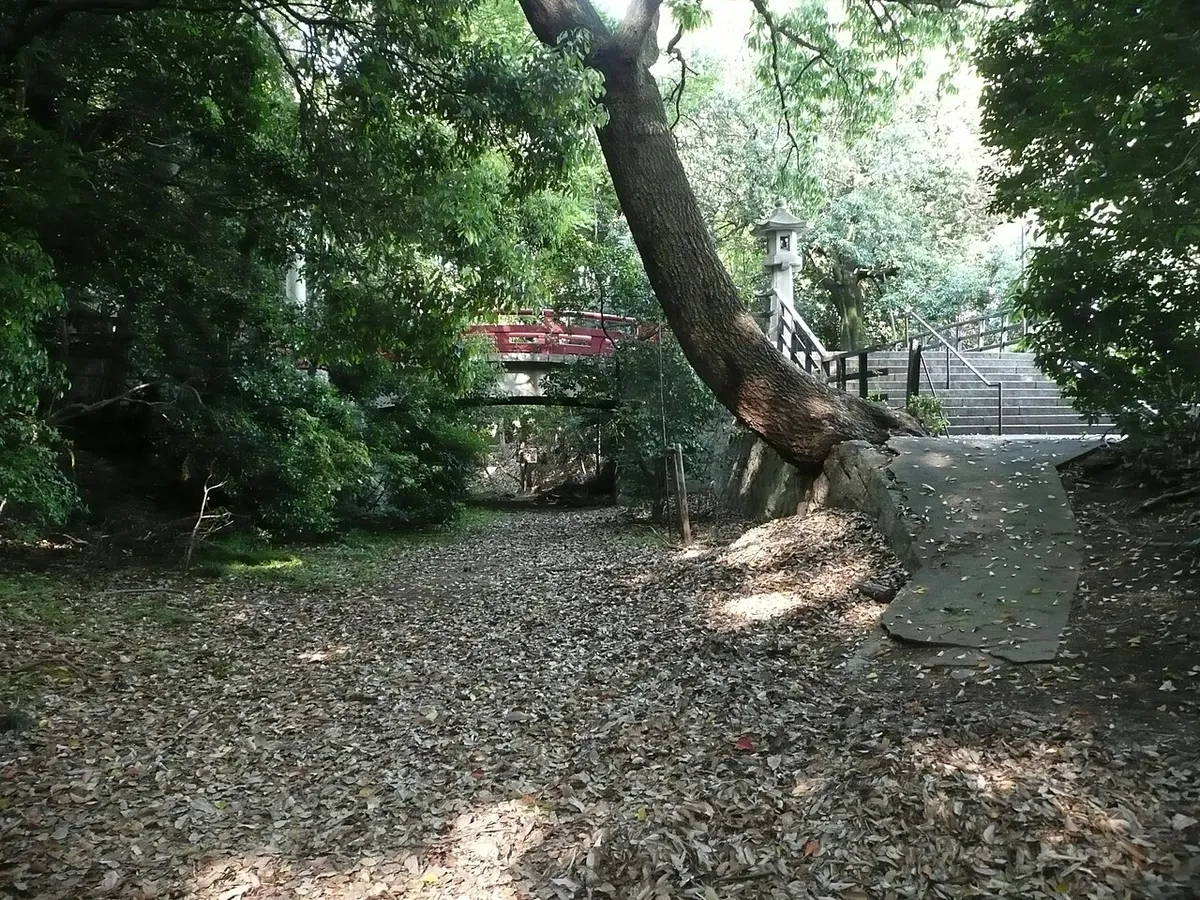
Photo:上条ジョー/Wikimedia Commons/CC BY-SA 3.0

Quick Facts

Quick Facts

Admission
Free Free
Hours
00:00 – 23:59
Nearest Station
Hakui Station (JR Nanao Line)
Walk from Station
45 min walk

Bus also available

Time Needed
1 hour (ruins + trail)

Free admission. The ruins are a public site on the Noto Peninsula. Well-maintained trail to the ridgeline castle ruins.

Defense Overview

Defense Overview

Why Suemori Castle was hard to attack

This castle is hard to attack because it uses high ground and difficult natural access to deny attackers an easy approach.

An attacker would first have to fight the site itself before reaching the main defenses. They would have to cross water barriers or moat lines, approach through at least some constrained entry space, and push through successive outer areas before the core.

Overall score

80/100

Estimated range

74–86

Confidence

B

Usable estimate with some inference

This is a site-original comparison score for learning and comparison, not a reconstruction of one historical battle.

Radar view

Terrain 20/20 Entrance 19/20 Internal 11/20 Siege 14/20 Oversight 16/20
How this estimate was built+

This estimate combines broad terrain, approach, layout, and route-control signals. It is meant to explain the castle's defensive logic in plain English, not reconstruct a single historical attack.

Terrain Advantage

How much the terrain itself seems to help: height, slope, ridges, cliffs, water edges, and limited approach directions.

20/20

Entrance Defense

How awkward and dangerous the first entry looks: gates, bridge or moat crossings, chokepoints, and forced turns.

19/20

Internal Complexity

How hard it seems to keep pushing after entry: layered baileys, depth, compartmentalization, and repeated defensive lines.

11/20

Siege Endurance

A rough sense of long-hold potential: moats, water access, space, storage plausibility, and defensive staying power.

14/20

Strategic Oversight

How much the castle appears to command nearby roads, plains, rivers, basins, harbors, or town approaches.

16/20

Why Visit

Suemori Castle is for visitors who want to walk a battlefield with a genuinely dramatic story. The earthworks are well-preserved, the horikiri ditches make the castle's defensive logic clear, and the 1584 relief story is one of the most compelling in Sengoku history. On the Noto Peninsula — an undervisited region with exceptional natural beauty and cultural heritage — Suemori Castle adds historical depth to an already rewarding destination.

Highlights

1

The Dramatic 1584 Relief That Saved the Maeda Clan

In 1584, Suemori Castle was besieged by a massive force allied with the Sassa Narimasa clan, intent on destroying the growing Maeda power in Kaga. The castle's garrison of only 300 men held desperately while Maeda Toshiie himself led a relief army of just 3,000 on a dramatic forced march. Against a besieging force of 8,000, Toshiie's relief force arrived at night and launched a surprise attack — routing the besieging army in one of the most dramatic military reversals of the Hokuriku Sengoku period.
2

Noto Peninsula Mountain Castle

Suemori Castle sits on a ridgeline of the Noto Peninsula — the finger of land that juts into the Sea of Japan from Ishikawa Prefecture. The castle's remote Noto location gives it a distinctive character, and the ridgeline earthworks are well-preserved in the relatively undisturbed mountain environment.

3

Gateway to the Noto Peninsula

The castle's position at the base of the Noto Peninsula made it a critical gateway — control of Suemori Castle meant control of movement between the Kaga lowlands and the Noto interior. The Maeda clan's determination to relieve the siege reflected this strategic reality.

Structure Details

Visitor tip

The walk to Suemori Castle ruins takes about 20-30 minutes from the parking area. The horikiri ditches are clearly visible and easy to understand. The 1584 relief battle story is dramatic and makes the visit memorable — read about it before you go.

Castle type

Mountain castle

Mountain castle — ridgeline fortress on the Noto Peninsula above the Kaga coastal plain

Layout type

Rope-linked layout

Rope-style — compounds arranged linearly along the ridgeline with earthwork and some stone defenses

Main tower

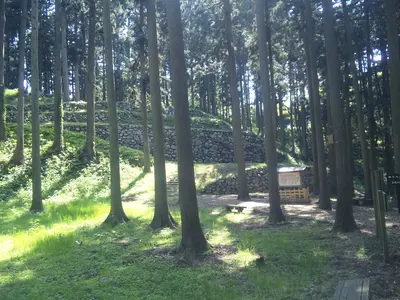
Ruins — earthworks survive in good condition; some stone wall remnants; horikiri ditches clearly visible

Stone walls

Natural stone stacking

Suemori Castle is primarily an earthwork construction with some stone wall elements — typical of Hokuriku Sengoku mountain castles of the mid-16th century. The horikiri ditches are clearly preserved.

Key defensive features

Ridgeline Horikiri System

Horikiri ditches cut across the ridge between compounds created successive defensive barriers. In 1584, this system held a garrison of 300 against 8,000 besiegers long enough for Toshiie's relief force to arrive.

Steep Natural Hillsides

The Noto Peninsula ridge terrain provides steep natural hillsides that make flanking approaches extremely difficult.

Peninsula Gateway Position

The castle's position controlling the gateway to the Noto Peninsula gave defenders a motivation beyond simple survival.

The Story of Suemori Castle

Originally built 1546 / Cho Tsunayori (Noto-Hatakeyama clan)
Current form 1570 / Maeda clan period development
    1546

    Suemori Castle is established by the Cho clan, retainers of the Noto-Hatakeyama clan who controlled the Noto Peninsula. The castle guards the gateway between the Kaga lowlands and the Noto interior.

    1582

    Following the assassination of Oda Nobunaga, the Hokuriku region's political situation becomes unstable. Maeda Toshiie emerges as the dominant power in Kaga and Noto, facing rivalry from Sassa Narimasa in Etchu.

    1584

    Sassa Narimasa besieges Suemori Castle with approximately 8,000 men. The castle garrison of 300 holds desperately. Maeda Toshiie personally leads a relief force of approximately 3,000 on a forced march.

    1584

    Toshiie's relief force arrives at night and launches a surprise attack on Sassa's besieging camp. The relief attack, combined with the garrison's sortie from the castle, routs the besieging army. The Battle of Suemori is one of Toshiie's most celebrated military victories.

    1600

    Following Sekigahara, the Maeda clan confirms its dominant position. Suemori Castle is eventually abandoned as domain administration consolidates at Kanazawa.

In Pop Culture

TV

Toshiie to Matsu (NHK Taiga Drama, 2002)

The NHK Taiga Drama about Maeda Toshiie and his wife Matsu featured the dramatic relief of Suemori Castle as a key moment in Toshiie's military career.

Did You Know?

  • The Battle of Suemori in 1584 is one of the most dramatic relief operations in Japanese Sengoku history — a 300-man garrison holding 8,000 besiegers while waiting for 3,000 relief troops to launch a night attack.
  • Maeda Toshiie, who led the relief force, is one of the most beloved figures of the Sengoku period in Ishikawa Prefecture — the founder of the Kaga domain that made Kanazawa one of the greatest castle towns in Japan.
  • Sassa Narimasa, whose siege of Suemori failed so dramatically, was subsequently ordered by Toyotomi Hideyoshi to surrender his domain as punishment. He was eventually forced to commit suicide in 1588.

Score Breakdown

Tourism Score

F 30/100
  • Accessibility 4 /20
  • Foreign-Friendly 2 /20
  • Historical Value 13 /20
  • Visual Impact 7 /20
  • Facilities 4 /20

Defense Score

A 80/100
  • Terrain Advantage 20 /20
  • Entrance Defense 19 /20
  • Internal Complexity 11 /20
  • Siege Endurance 14 /20
  • Strategic Oversight 16 /20

Planning Your Visit

Best Time to Visit

Spring and autumn for the best trail conditions. The Noto Peninsula has outstanding seafood — oysters in winter, fish year-round.

Time Needed

1 hour (ruins + trail)

Insider Tip

The Noto Peninsula has much more to offer beyond Suemori Castle — Wajima lacquerware, Noto's exceptional seafood, and the dramatic Senmaida terraced rice paddies are all within reach.

Map

Getting There

Nearest station: Hakui Station (JR Nanao Line)
Walk from station: 45 min walk
Bus: Local bus from Hakui Station toward the castle site area. Taxi available from Hakui Station.
Parking: Parking available at the castle ruins access point.
Accessible with a JR Pass

Admission

Free

Free admission. The ruins are a public site on the Noto Peninsula. Well-maintained trail to the ridgeline castle ruins.

Opening Hours

Open00:00 – 23:59

Open at all times. Spring and autumn best for the trail. Winter snow can make the path slippery.

Facilities

  • – English guides
  • – Audio guide
  • – Wheelchair access
  • – Restrooms
  • – Gift shop
  • – Food nearby

Nearby Castles

Featured in collections

FAQ

Frequently Asked Questions

How do I get to Suemori Castle?

The nearest station is Hakui Station (JR Nanao Line). From there it is about 45 minutes on foot. Local bus from Hakui Station toward the castle site area. Taxi available from Hakui Station.

How much does Suemori Castle cost to enter?

Suemori Castle is free to enter.

Is Suemori Castle worth visiting?

Suemori Castle is for visitors who want to walk a battlefield with a genuinely dramatic story. The earthworks are well-preserved, the horikiri ditches make the castle's defensive logic clear, and the 1584 relief story is one of the most compelling in Sengoku history. On the Noto Peninsula — an undervisited region with exceptional natural beauty and cultural heritage — Suemori Castle adds historical depth to an already rewarding destination.

What are the opening hours of Suemori Castle?

00:00 to 23:59.

How long should I spend at Suemori Castle?

Plan for about 1 hour (ruins + trail), depending on how closely you want to explore the grounds.