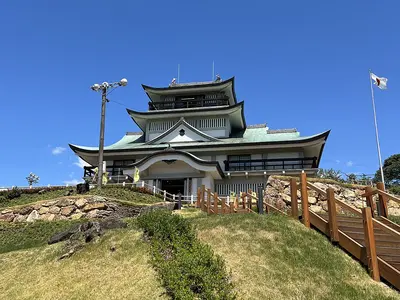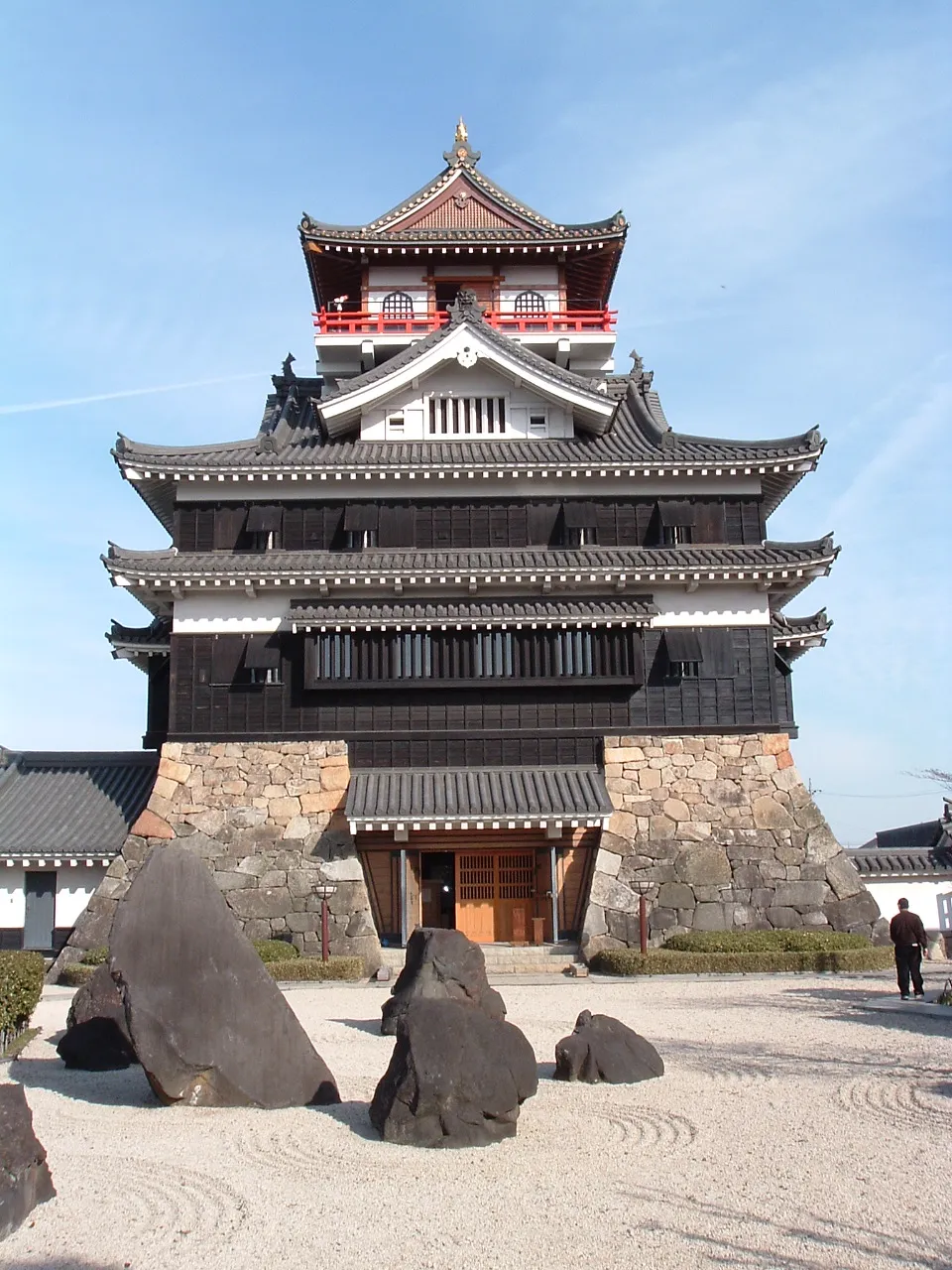
Kiyosu Castle

清洲城·Kiyosu-jo

D Tourism Score 48/100
D Defense Score 58/100

Where Nobunaga launched his conquest of Japan and where Hideyoshi's genius at the 1582 conference made him the successor — Japan's most consequential castle for two of its greatest leaders.

#133 — Continued 100 Castles Reconstructed
Kiyosu Castle (清洲城)
Photo:de:Benutzer:Oliver Mayer/Wikimedia Commons/CC BY-SA 3.0

Quick Facts

Quick Facts

Admission
¥400

¥200

Hours
09:00 – 16:30

Last entry 16:00

Nearest Station
Kiyosu Station (JR Tokai-do Main Line / JR Kansai Main Line — one stop from Nagoya)
Walk from Station
20 min walk

Bus also available

Time Needed
1 hour

Adult ¥400, Child ¥200.

Defense Overview

Defense Overview

Why Kiyosu Castle was hard to attack

This castle is hard to attack because it combines managed outer defenses on relatively level ground with enough defensive depth to slow attackers before the center.

An attacker would not simply arrive at the center on open flat ground. They would have to cross water barriers or moat lines and push through successive outer areas before the core.

Overall score

58/100

Estimated range

52–64

Confidence

A

Strong multi-source support

This is a site-original comparison score for learning and comparison, not a reconstruction of one historical battle.

Radar view

Terrain 10/20 Entrance 11/20 Internal 12/20 Siege 14/20 Oversight 11/20
How this estimate was built+

This estimate combines broad terrain, approach, layout, and route-control signals. It is meant to explain the castle's defensive logic in plain English, not reconstruct a single historical attack.

Terrain Advantage

How much the terrain itself seems to help: height, slope, ridges, cliffs, water edges, and limited approach directions.

10/20

Entrance Defense

How awkward and dangerous the first entry looks: gates, bridge or moat crossings, chokepoints, and forced turns.

11/20

Internal Complexity

How hard it seems to keep pushing after entry: layered baileys, depth, compartmentalization, and repeated defensive lines.

12/20

Siege Endurance

A rough sense of long-hold potential: moats, water access, space, storage plausibility, and defensive staying power.

14/20

Strategic Oversight

How much the castle appears to command nearby roads, plains, rivers, basins, harbors, or town approaches.

11/20

Why Visit

Kiyosu Castle is an easy 15-minute JR ride from Nagoya and pairs perfectly with Nagoya Castle for a full day of Owari Province history. The museum focuses on Nobunaga's early career and the Kiyosu Conference — well-told stories that illuminate how two of Japan's greatest figures made decisions at this site.

Highlights

1

Where Nobunaga Launched His Conquest of Japan

Kiyosu Castle was Oda Nobunaga's primary residence and military headquarters from 1555 to 1563 — the period when the young lord transformed from a minor Owari Province warlord into the most powerful figure in Japan. It was from Kiyosu that Nobunaga launched the Battle of Okehazama (1560), where he defeated the seemingly invincible Imagawa Yoshimoto against all odds.
2

The Kiyosu Conference — Where Japan's Future Was Decided

In 1582, immediately after the Honnoji Incident, the most powerful generals of the Oda realm gathered at Kiyosu Castle. Toyotomi Hideyoshi, fresh from defeating Akechi Mitsuhide at Yamazaki, seized control of the meeting and effectively outmaneuvered senior generals. In a single conference, Hideyoshi transformed himself into the dominant figure in post-Nobunaga Japan.

3

The Tower Relocated to Nagoya — Then Rebuilt

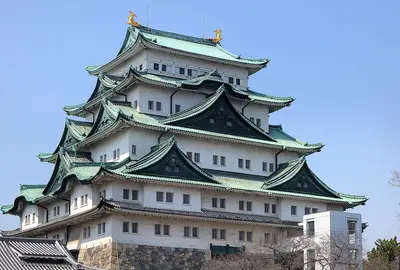
In 1610, Kiyosu Castle was dismantled and its materials physically moved to help construct Nagoya Castle. The current castle tower, built in 1989, is a concrete reconstruction that sits across the Gojo River from the original castle site. Despite this, the tower and its museum are worthwhile for the Nobunaga and Hideyoshi historical content.

Structure Details

Visitor tip

The 1989 concrete reconstruction sits across the Gojo River from the original castle site — look across the river bridge to see where the actual castle stood. The tower museum has informative exhibits about Nobunaga's early career and the Kiyosu Conference. Only 15 minutes from Nagoya Station.

Castle type

Flatland castle

Flatland castle (built on low ground beside the Gojo River on the Nobi Plain)

Layout type

Radial layout

Square-style — a relatively compact flatland castle layout suited to the Nobi Plain terrain

Main tower

Concrete reconstruction (1989) — built near but not on the original castle site. Three stories, housing a museum about Oda Nobunaga and Kiyosu history.

3 floors

Stone walls

Natural stone stacking

The original Kiyosu Castle used the Gojo River as its primary western defense, with earthen banks and wooden palisades forming the main defensive walls.

Moats

The Gojo River served as a natural moat on the castle's western side. Water moats extended around the other compounds.

Key defensive features

Gojo River Water Defense

The Gojo River provided a natural water barrier on the castle's western side.

Nobi Plain Control

Kiyosu Castle controlled the agricultural heartland of Owari Province — the most productive region in the Tokai area. This economic base was the foundation of Nobunaga's military power.

The Story of Kiyosu Castle

Originally built 1405 / Shiba clan (Owari shugo)
Current form 1555 / Oda Nobunaga
    1405

    The Shiba clan, shugo (military governor) of Owari Province, constructs Kiyosu Castle as the administrative center of the province.

    1555

    Oda Nobunaga captures Kiyosu Castle and establishes it as his primary residence and headquarters. The young Nobunaga is 21 years old.

    1560

    From Kiyosu, Nobunaga launches his surprise attack on Imagawa Yoshimoto at the Battle of Okehazama — winning against a force many times larger.

    1582

    The Kiyosu Conference — the most politically consequential meeting of the Sengoku era. Hideyoshi's political maneuvering effectively crowns him as Nobunaga's successor.

    1610

    Tokugawa Ieyasu orders Nagoya Castle constructed. Kiyosu Castle is dismantled — its timbers and stones physically moved to Nagoya in what locals called 'Kiyosu-goshi' (the Kiyosu Moving).

    1989

    A concrete reconstruction of the castle tower is built near the original site as a local tourism attraction and historical museum.

In Pop Culture

TV

Nobunaga Concerto

The 2014 TV drama about Oda Nobunaga features Kiyosu Castle extensively as Nobunaga's base of operations.

Film

Kiyosu Kaigi (The Kiyosu Conference)

Miike Takashi's 2013 comedy film dramatizes the 1582 Kiyosu Conference with an all-star cast.

Did You Know?

  • The 'Kiyosu Moving' (Kiyosu-goshi) of 1610 — when the castle was dismantled and its materials moved to build Nagoya Castle — is one of the most dramatic urban relocations in Japanese history.
  • The 1582 Kiyosu Conference is celebrated in Japan as one of history's great examples of political theater — Hideyoshi arrived with his own candidate for succession already prepared, having outmaneuvered rivals through speed and preparation.
  • The current castle reconstruction (1989) is not on the original castle site — the original honmaru is across the Gojo River.
  • Nobunaga is said to have had the song 'Atsumori' played repeatedly at Kiyosu Castle, meditating on the brevity of life — the same song is associated with his final moments at Honno-ji.

Score Breakdown

Tourism Score

D 48/100
  • Accessibility 15 /20
  • Foreign-Friendly 8 /20
  • Historical Value 12 /20
  • Visual Impact 8 /20
  • Facilities 5 /20

Defense Score

D 58/100
  • Terrain Advantage 10 /20
  • Entrance Defense 11 /20
  • Internal Complexity 12 /20
  • Siege Endurance 14 /20
  • Strategic Oversight 11 /20

Planning Your Visit

Best Time to Visit

Year-round. Spring cherry blossoms at the adjacent park.

Time Needed

1 hour

Insider Tip

From the castle, look across the Gojo River bridge to the small signs marking the original castle site — the actual Kiyosu Conference happened on that opposite bank. The Kiyosu Kaigi movie (2013, directed by Miike Takashi) is an entertaining introduction to the 1582 meeting — watch it before visiting.

Map

Getting There

Nearest station: Kiyosu Station (JR Tokai-do Main Line / JR Kansai Main Line — one stop from Nagoya)
Walk from station: 20 min walk
Bus: Only 15 minutes from central Nagoya by JR — very easy day trip.
Parking: Free parking at the castle. Easy access by car.
Accessible with a JR Pass

Admission

Adult¥400
Child¥200

Adult ¥400, Child ¥200.

Opening Hours

Open09:00 – 16:30
Last entry16:00

Closed Monday (next day if Monday is holiday). Closed December 29–January 3.

Facilities

  • – English guides
  • – Audio guide
  • ✓ Wheelchair access
  • ✓ Restrooms
  • ✓ Gift shop
  • ✓ Food nearby

Nearby Castles

Featured in collections

FAQ

Frequently Asked Questions

How do I get to Kiyosu Castle?

The nearest station is Kiyosu Station (JR Tokai-do Main Line / JR Kansai Main Line — one stop from Nagoya). From there it is about 20 minutes on foot. Only 15 minutes from central Nagoya by JR — very easy day trip.

How much does Kiyosu Castle cost to enter?

Adult admission is ¥400 and child admission is ¥200.

Is Kiyosu Castle worth visiting?

Kiyosu Castle is an easy 15-minute JR ride from Nagoya and pairs perfectly with Nagoya Castle for a full day of Owari Province history. The museum focuses on Nobunaga's early career and the Kiyosu Conference — well-told stories that illuminate how two of Japan's greatest figures made decisions at this site.

What are the opening hours of Kiyosu Castle?

09:00 to 16:30, last entry 16:00.

How long should I spend at Kiyosu Castle?

Plan for about 1 hour, depending on how closely you want to explore the grounds.