Castles Near Nagoya
Nagoya sits at the heart of what was once the most castle-dense region in feudal Japan. Owari Province (modern Aichi) and neighboring Mino Province (Gifu) were the crucible of Japan's unification — this is where Oda Nobunaga, Toyotomi Hideyoshi, and Tokugawa Ieyasu were born, based, or rose to power. Nearly every district within an hour of Nagoya has a castle, a castle town, or a battlefield that shaped Japanese history.
Nagoya Castle itself is under extensive renovation (main keep closed for reconstruction until around 2028, with traditional wooden techniques), but the grounds and the fully restored Honmaru Goten palace are open. Inuyama Castle, 30 minutes north, is one of Japan's five National Treasure castles and the only one in private ownership. Gifu Castle, 30 minutes west on a rocky peak, offers the best panoramic view of any castle in central Japan. Okazaki — birthplace of Tokugawa Ieyasu — is 30 minutes east, with castle grounds famous for cherry blossoms.
In Nagoya & Aichi
Aichi Prefecture castles — Nagoya and the surrounding region
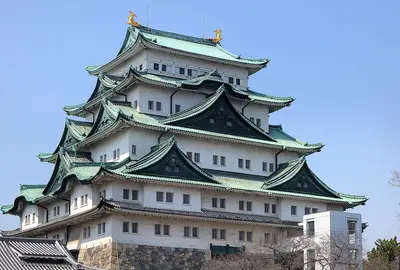
Nagoya Castle
名古屋城 · Nagoya-jo
📍 Aichi — Chubu
Nagoya Castle is mid-renovation — visit now for the stunning reconstructed palace, return in a few years for the completed wooden tower.
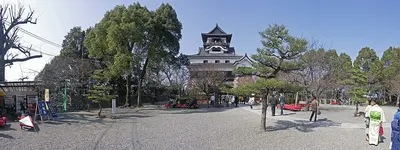
Inuyama Castle
犬山城 · Inuyama-jo
📍 Aichi — Chubu
The oldest surviving castle tower in Japan — compact, dramatic, and perched above a river just as it was when Oda Nobunaga's family built it in 1537.
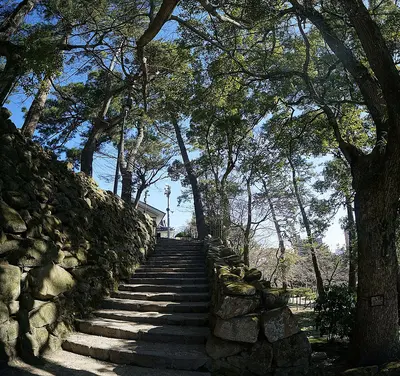
Okazaki Castle
岡崎城 · Okazaki-jo
📍 Aichi — Chubu
The birthplace of Tokugawa Ieyasu — Japan's great unifier — makes this modest concrete reconstruction a pilgrimage site for anyone who loves Sengoku history.
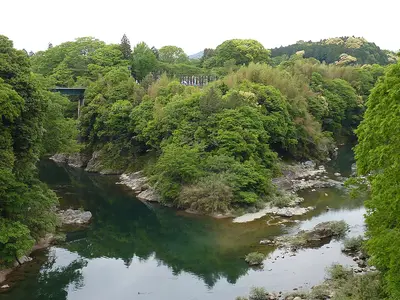
Nagashino Castle
長篠城 · Nagashino-jo
📍 Aichi — Chubu
Modest earthwork ruins at the site of the most historically significant battle of the Sengoku period — the castle where 500 men held out against 15,000 and changed Japanese warfare.
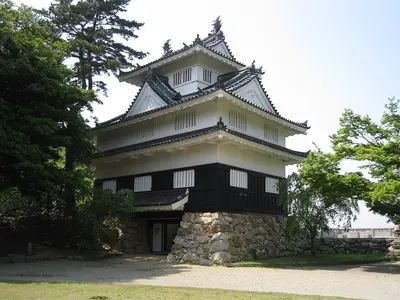
Yoshida Castle
吉田城 · Yoshida-jo
📍 Aichi — Chubu
Ieyasu's riverside checkpoint castle — the fortress that guarded the Tokaido's most important river crossing, now a pleasant park above the Toyokawa.
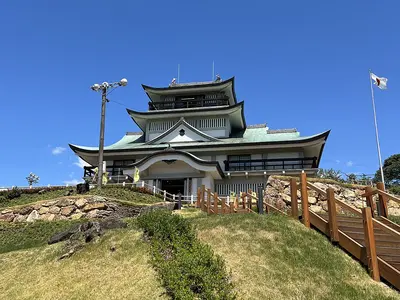
Komakiyama Castle
小牧山城 · Komakiyama-jo
📍 Aichi — Chubu
Nobunaga's first castle — where the stone wall revolution may have begun — and the headquarters of the only campaign Hideyoshi ever lost.
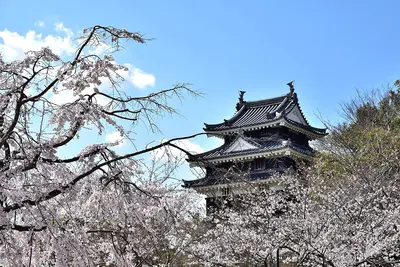
Nishio Castle
西尾城 · Nishio-jo
📍 Aichi — Chubu
Reconstructed tenshu in Japan's matcha capital — the original Tamon Yagura is the genuine historical gem at this pleasant Aichi castle park.
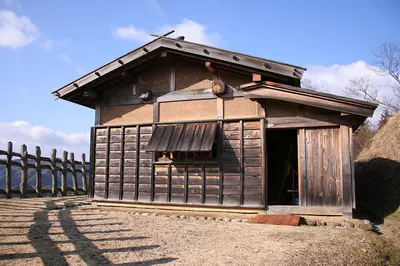
Asuke Castle
足助城 · Asuke-jo
📍 Aichi — Chubu
Japan's best wooden mountain castle reconstruction — compact, authentic, and dramatically positioned above Korankei Gorge's famous autumn maple forest.
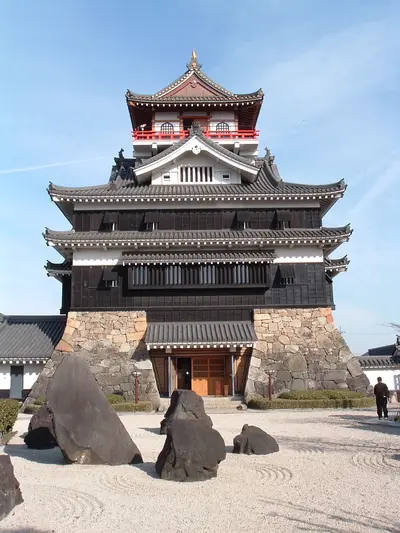
Kiyosu Castle
清洲城 · Kiyosu-jo
📍 Aichi — Chubu
Where Nobunaga launched his conquest of Japan and where Hideyoshi's genius at the 1582 conference made him the successor — Japan's most consequential castle for two of its greatest leaders.
Gifu Prefecture
Gifu, Iwamura, Gujo Hachiman and surrounding castles — 30–90 minutes from Nagoya
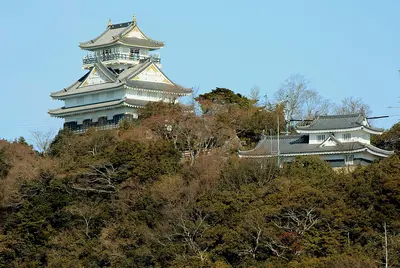
Gifu Castle
岐阜城 · Gifu-jo
📍 Gifu — Chubu
This is the mountain where Nobunaga declared he would rule Japan — and the view from 329 meters makes it easy to believe him.
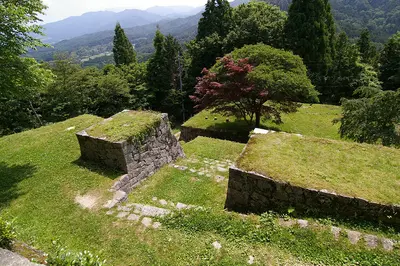
Iwamura Castle
岩村城 · Iwamura-jo
📍 Gifu — Chubu
Japan's highest mountain castle at 717 meters — dramatic stone wall ruins, the story of a remarkable female lord, and one of the finest preserved castle towns in inland Japan.
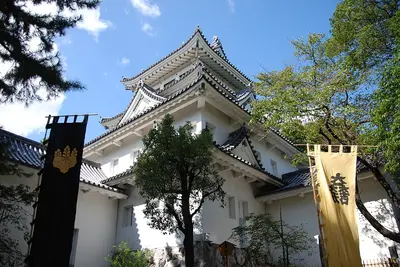
Ogaki Castle
大垣城 · Ogaki-jo
📍 Gifu — Chubu
The crossroads castle where Ishida Mitsunari planned his doomed resistance — Ogaki stood at the hinge of the battle that made Tokugawa Japan.
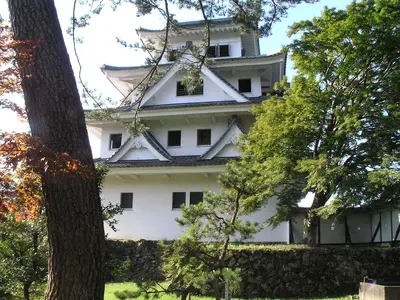
Gujo Hachiman Castle
郡上八幡城 · Gujo Hachiman-jo
📍 Gifu — Chubu
Japan's oldest wooden castle reconstruction rises above a dancing town — come for the 1933 tower, stay for the Gujo Odori and the clearest rivers in central Japan.
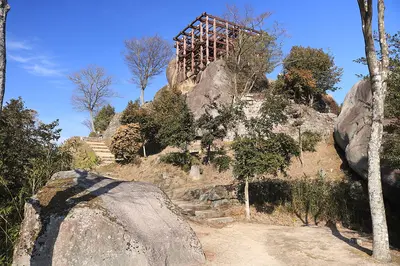
Naegi Castle
苗木城 · Naegi-jo
📍 Gifu — Chubu
The castle on a boulder — Japan's most dramatic integration of natural granite and human fortification, floating above the Kiso River gorge.
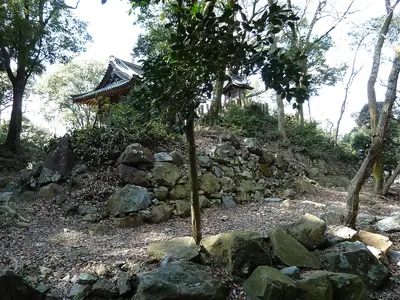
Mino-Kaneyama Castle
美濃金山城 · Mino-Kaneyama-jo
📍 Gifu — Chubu
Mori Nagayoshi's mountain stronghold and birthplace of Fukushima Masanori — well-preserved Sengoku stone walls in the Kiso Valley forest.
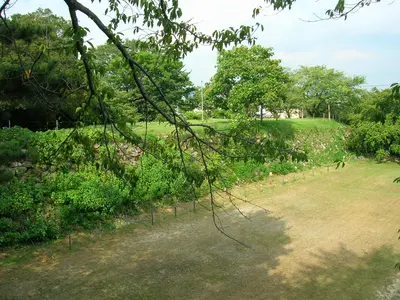
Kano Castle
加納城 · Kano-jo
📍 Gifu — Chubu
The castle Tokugawa Ieyasu built to assert dominance over Nobunaga's former heartland — early Edo period political architecture in Gifu's southern suburbs.
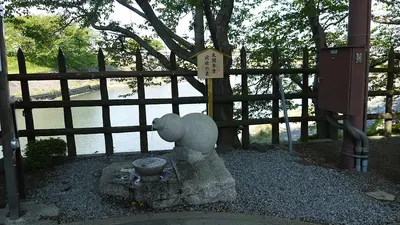
Sunomata Castle (One-Night Castle)
墨俣城 · Sunomata-jo
📍 Gifu — Chubu
The castle that (allegedly) Hideyoshi built in one night — probably a legend, but the story that launched one of Japan's greatest careers.
Shizuoka Prefecture
Sunpu, Kakegawa, Hamamatsu and surrounding castles — 30–90 minutes east by JR
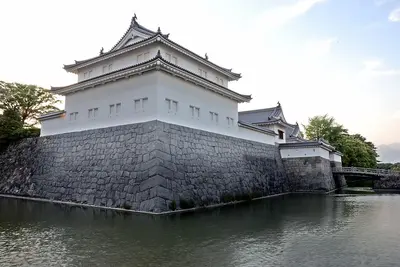
Sunpu Castle
駿府城 · Sunpu-jo
📍 Shizuoka — Chubu
The castle that bookended Tokugawa Ieyasu's life — hostage child at one end, retired shogun who still ran Japan at the other.
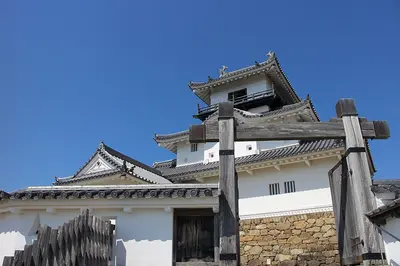
Kakegawa Castle
掛川城 · Kakegawa-jo
📍 Shizuoka — Chubu
The pioneer of wooden castle reconstruction — Kakegawa proved in 1994 that real timber and real joinery could bring a castle back, setting the standard for every wooden reconstruction that followed.
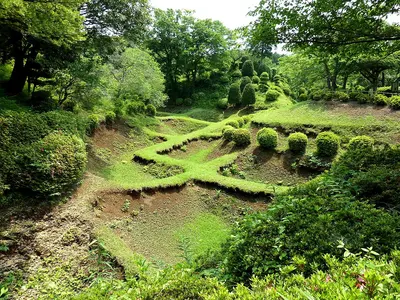
Yamanaka Castle
山中城 · Yamanaka-jo
📍 Shizuoka — Chubu
The castle with the waffle moats — Japan's most ingenious earthwork defense, where the Hojo clan's engineering genius met Hideyoshi's unstoppable force for half a day in 1590.
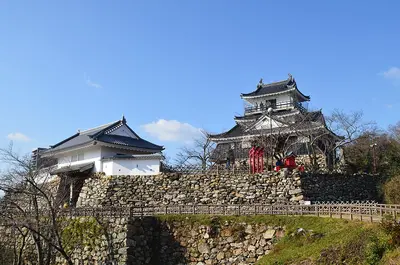
Hamamatsu Castle
浜松城 · Hamamatsu-jo
📍 Shizuoka — Chubu
Where Ieyasu lost everything and came back stronger — the 'Castle of Advancement' that shaped the future shogun through his darkest hour.
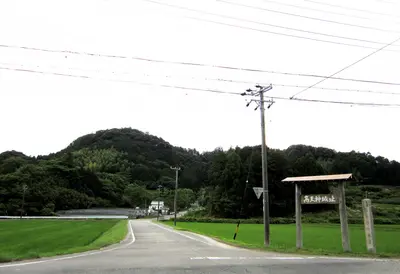
Takatenjin Castle
高天神城 · Takatenjin-jo
📍 Shizuoka — Chubu
The impregnable mountain fortress that fell to hunger, not swords — the siege that ended the Takeda clan and demonstrated that the most powerful fortresses can be defeated by patience.
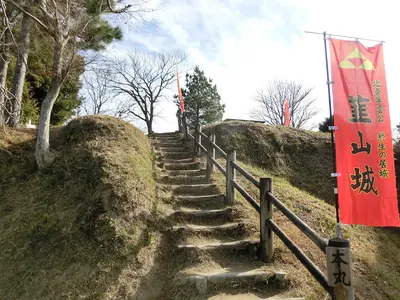
Nirayama Castle
韮山城 · Nirayama-jo
📍 Shizuoka — Chubu
Where the Later Hojo dynasty began in 1493 and ended in 1590 — the only castle in Japan that bookends an entire century of dynastic power.
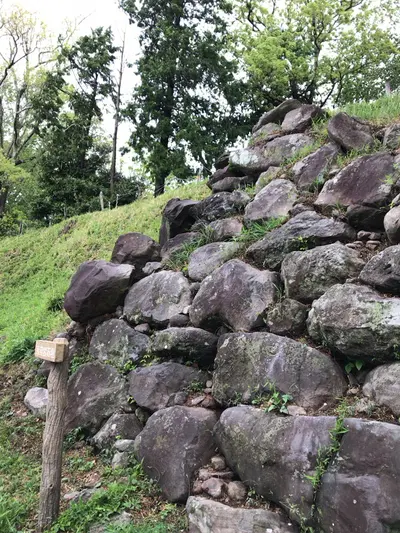
Kokokuji Castle
興国寺城 · Kokokuji-jo
📍 Shizuoka — Chubu
The obscure first castle of Hojo Soun — where one of Japan's most dramatic feudal dynasties took its very first step in 1487.
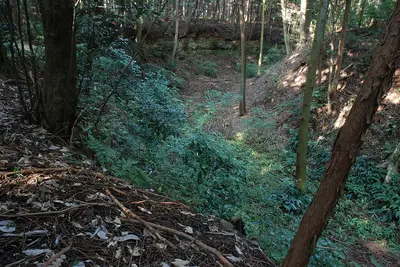
Suwarahara Castle
諏訪原城 · Suwarahara-jo
📍 Shizuoka — Chubu
The finest surviving example of Takeda military earthwork engineering — famous for the unique crescent-shaped maruyama moats found almost nowhere else in Japan.
Getting There from Nagoya
- Nagoya Castle: 10 minutes from Nagoya Station by Meijo Subway Line to Shiyakusho Station (exit 7). Main keep closed for traditional wooden reconstruction (expected reopening ~2028); Honmaru Goten palace is open.
- Inuyama Castle: 30 minutes from Nagoya on the Meitetsu Inuyama Line to Inuyama Station, then 15-minute walk. One of five National Treasure castles; original wooden tower.
- Gifu Castle: 30 minutes from Nagoya (JR Biwako Line to Gifu Station, then ropeway). Hilltop castle with outstanding views of the Nobi Plain.
- Okazaki Castle: 30 minutes from Nagoya by Meitetsu or JR to Okazaki. Birthplace of Tokugawa Ieyasu; famous for cherry blossoms along the Oto River.
- Sunpu Castle (Shizuoka): About 1 hour from Nagoya by shinkansen to Shizuoka Station. Birthplace and retirement home of Tokugawa Ieyasu; park and excavated stone walls are free to visit.
Frequently Asked Questions
Is Nagoya Castle open to visitors?
The outer grounds, gardens, and the Honmaru Goten (main palace, a stunning reconstruction completed in 2018 using traditional techniques) are open. The main five-story concrete keep is closed for demolition and traditional wooden reconstruction — this project is expected to be completed around 2028. Admission to the grounds covers the Honmaru Goten palace, which alone is worth a visit.
What is Inuyama Castle?
Inuyama Castle is one of Japan's five National Treasure castles and the only one in Japan still privately owned (by the Naruse family since the Edo period). Its original wooden tower, built in 1601, sits on a bluff above the Kiso River about 30 minutes north of Nagoya on the Meitetsu Line. It is one of just twelve original tower castles surviving in Japan. The surrounding Inuyama castle town retains its historic character.
Which castle near Nagoya is most worth visiting?
Inuyama Castle is the top recommendation for historical authenticity — one of five National Treasures and genuinely original. Gifu Castle is the best for views — a hilltop fortress above the city with sweeping panoramas of the Nobi Plain. For history focused on Tokugawa Ieyasu, Okazaki (his birthplace) and Sunpu in Shizuoka (his retirement home) are compelling. Gujo Hachiman Castle in Gifu Prefecture is beautiful and much less crowded.
Can I visit Nagoya and nearby castles in one day?
Easily. Nagoya Castle in the morning plus Inuyama Castle in the afternoon is a classic same-day pairing (Inuyama is 30 minutes by Meitetsu from central Nagoya). Alternatively, Nagoya Castle followed by Gifu Castle (30 minutes west) or Okazaki Castle (30 minutes east) works well. All three of Nagoya, Inuyama, and Gifu in one day is achievable but tiring — pick two for a comfortable pace.
Is Gujo Hachiman Castle worth visiting?
Yes — Gujo Hachiman Castle in Gifu Prefecture is one of the most scenic castle reconstructions in Japan, sitting on a wooded hill above a mountain town famous for its clear rivers and traditional street layout. It is about 75 minutes from Nagoya by express bus or by local train via Gifu Station. The town itself (Gujo Hachiman) is a well-preserved castle town that rivals Takayama in atmosphere but receives far fewer foreign visitors.