Nishio Castle

西尾城·Nishio-jo

D Tourism Score 42/100
C Defense Score 64/100

Reconstructed tenshu in Japan's matcha capital — the original Tamon Yagura is the genuine historical gem at this pleasant Aichi castle park.

#155 — Continued 100 Castles Reconstructed
Nishio Castle (西尾城)
Photo:Bariston/Wikimedia Commons/CC BY-SA 4.0

Quick Facts

Quick Facts

Admission
Free Free
Hours
09:00 – 18:00

Last entry 17:30

Nearest Station
Nishio Station (Meitetsu Nishio Line)
Walk from Station
15 min walk
Time Needed
1 hour

Free to enter. The park and turret are free to visit.

Defense Overview

Defense Overview

Why Nishio Castle was hard to attack

This castle is hard to attack because its strength comes from its command of nearby routes and the surrounding town while still forcing attackers to break through defended space.

An attacker would not simply arrive at the center on open flat ground. They would have to cross water barriers or moat lines, push through successive outer areas before the core, and do so under a position that also watches the surrounding routes.

Overall score

64/100

Estimated range

58–70

Confidence

A

Strong multi-source support

This is a site-original comparison score for learning and comparison, not a reconstruction of one historical battle.

Radar view

Terrain 10/20 Entrance 11/20 Internal 12/20 Siege 16/20 Oversight 15/20
How this estimate was built+

This estimate combines broad terrain, approach, layout, and route-control signals. It is meant to explain the castle's defensive logic in plain English, not reconstruct a single historical attack.

Terrain Advantage

How much the terrain itself seems to help: height, slope, ridges, cliffs, water edges, and limited approach directions.

10/20

Entrance Defense

How awkward and dangerous the first entry looks: gates, bridge or moat crossings, chokepoints, and forced turns.

11/20

Internal Complexity

How hard it seems to keep pushing after entry: layered baileys, depth, compartmentalization, and repeated defensive lines.

12/20

Siege Endurance

A rough sense of long-hold potential: moats, water access, space, storage plausibility, and defensive staying power.

16/20

Strategic Oversight

How much the castle appears to command nearby roads, plains, rivers, basins, harbors, or town approaches.

15/20
Why Visit

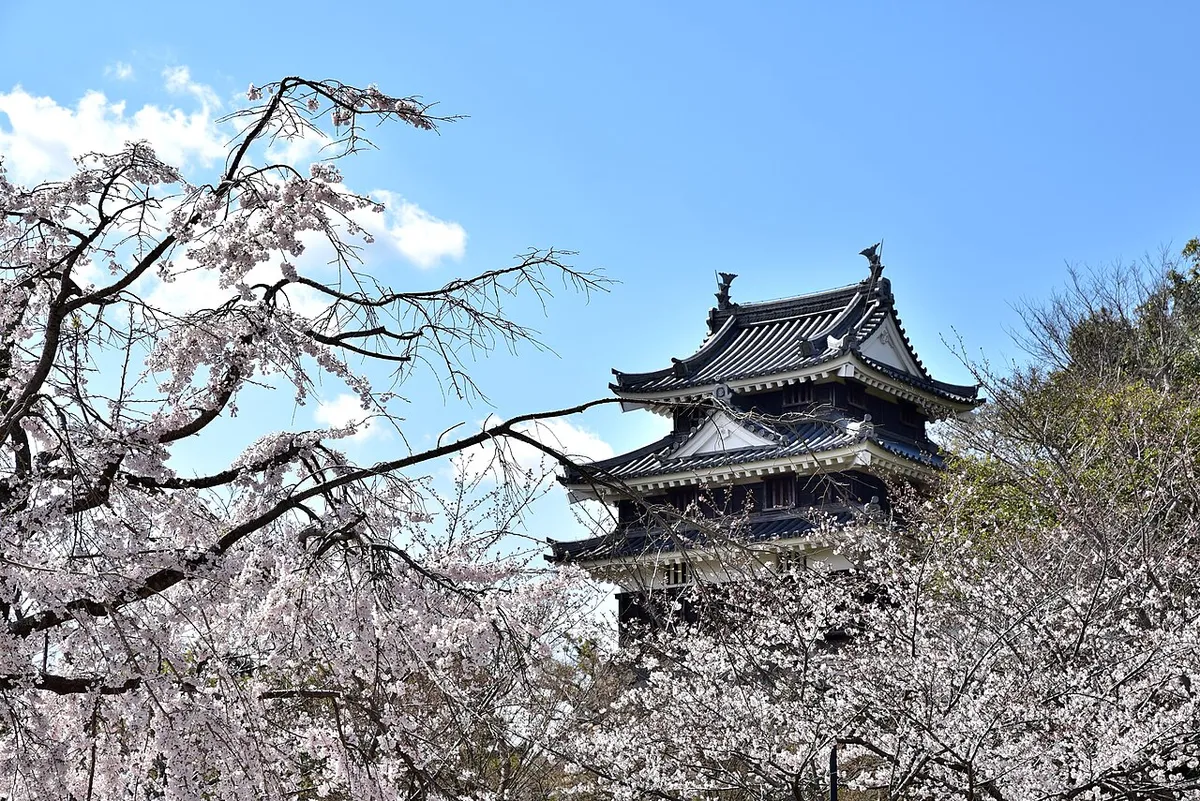
Nishio Castle is best visited as part of a broader Nishio city experience centered on the city's exceptional matcha culture. The reconstructed tenshu provides a photogenic focal point, and the original Tamon Yagura is worth seeing for its genuine historical authenticity. Come hungry for matcha sweets.

Highlights

1

Reconstructed Tenshu in Matcha Country

Nishio Castle has a reconstructed wooden tenshu (main tower) completed in 1996, giving the site more visual presence than most ruins. Nishio city is famous throughout Japan as one of the premier matcha (powdered green tea) production areas — the combination of a castle with excellent local tea culture makes Nishio a pleasant destination.

2

Iitoyo Castle — Named After a Legendary Woman

Nishio Castle's alternative name, Iitoyo Castle, comes from Princess Iitoyo — a legendary female ruler of ancient times in Japanese mythology. The castle's Sengoku history connects it to the broader Tokugawa sphere of influence in Mikawa Province.

3

Original Tamon Yagura Survives

While the tenshu is a modern reconstruction, Nishio Castle's Ninomaru Tamon Yagura (a corner turret on the second compound wall) is an original structure designated as an Important Cultural Property. This original timber turret is the most historically significant building at the site.

Structure Details

Visitor tip

Nishio Castle is a pleasant stop, especially combined with the city's famous matcha culture. The reconstructed tenshu is small but photogenic. Make sure to see the original Ninomaru Tamon Yagura — it's the genuine historical structure and often overlooked in favor of the modern reconstruction.

Castle type

Flatland castle

Flatland castle — built on flat Mikawa coastal plain with stone walls and water moats providing all defense

Layout type

Radial layout

Core style — main compound with subsidiary compounds arranged around it using stone walls and water moats

Main tower

Reconstructed wooden tenshu (1996) — historically researched reconstruction; original Ninomaru Tamon Yagura survives as Important Cultural Property

14m3 floors

Stone walls

Natural stone stacking

Stone walls survive around the Honmaru and Ninomaru compounds, maintaining the original Edo period ishigaki construction quality. The walls are well-maintained in the park setting.

Moats

Water moats on the flat Mikawa plain created the primary defensive perimeter. Sections of the original moat system survive and are visible in the castle park.

Key defensive features

Original Ninomaru Tamon Yagura

The surviving original corner turret (Tamon Yagura) on the Ninomaru compound wall is an Important Cultural Property — the genuine surviving architecture from the Edo period castle.

Water Moat System

Water moats on the flat coastal plain created the defensive perimeter that terrain provided for mountain castles.

The Story of Nishio Castle

Originally built 1221 / Ashikaga Yoshiuji (Kamakura period)
Current form 1601 / Various Tokugawa period lords
    1221

    A fortification on the Nishio site is first recorded in the Kamakura period — one of the earliest castle sites in the Mikawa region.

    1570

    Nishio Castle comes under Tokugawa Ieyasu's sphere of influence as he consolidates control of Mikawa Province.

    1601

    Following Sekigahara, the castle is rebuilt and expanded to its primary Edo period form with proper stone walls and a tenshu.

    1871

    Following the Meiji Restoration, Nishio Castle is largely demolished. The Ninomaru Tamon Yagura survives as the sole original structure.

    1996

    A historically researched wooden tenshu is reconstructed on the original Honmaru foundations, restoring a visual centerpiece to the castle park.

In Pop Culture

other

Nishio local tourism promotions

Nishio Castle frequently appears in city tourism materials emphasizing the combination of castle history and the city's famous matcha tea culture.

Did You Know?

  • Nishio city produces some of Japan's finest matcha — the city's cool coastal climate and mineral-rich soil create ideal conditions for the tea plants used in powdered green tea.
  • The Ninomaru Tamon Yagura at Nishio Castle is one of the few original timber turrets surviving in Aichi Prefecture. Most Aichi castles were destroyed in WWII bombing raids, making Nishio's surviving original architecture more historically significant than its modest appearance suggests.
  • The castle's alternative name Iitoyo Castle connects it to one of ancient Japan's legendary female rulers — an unusual mythological connection for a castle in the historically male-dominated Mikawa warrior culture.

Score Breakdown

Tourism Score

D 42/100
  • Accessibility 9 /20
  • Foreign-Friendly 5 /20
  • Historical Value 12 /20
  • Visual Impact 10 /20
  • Facilities 6 /20

Defense Score

C 64/100
  • Terrain Advantage 10 /20
  • Entrance Defense 11 /20
  • Internal Complexity 12 /20
  • Siege Endurance 16 /20
  • Strategic Oversight 15 /20

Planning Your Visit

Best Time to Visit

Year-round. Spring cherry blossoms in the park are attractive. The matcha culture is a year-round draw.

Time Needed

1 hour

Insider Tip

After the castle, walk into the city center for Nishio's matcha experience — there are dedicated matcha cafes and sweet shops within easy walking distance.

Map

Getting There

Nearest station: Nishio Station (Meitetsu Nishio Line)
Walk from station: 15 min walk
Parking: Paid parking available adjacent to the castle park.

Admission

Free

Free to enter. The park and turret are free to visit.

Opening Hours

Open09:00 – 18:00
Last entry17:30

Oct–Mar: 9:00–17:00. Apr–Sep: 9:00–18:00.

Facilities

  • – English guides
  • – Audio guide
  • ✓ Wheelchair access
  • ✓ Restrooms
  • ✓ Gift shop
  • ✓ Food nearby

Nearby Castles

Featured in collections

FAQ

Frequently Asked Questions

How do I get to Nishio Castle?

The nearest station is Nishio Station (Meitetsu Nishio Line). From there it is about 15 minutes on foot.

How much does Nishio Castle cost to enter?

Nishio Castle is free to enter.

Is Nishio Castle worth visiting?

Nishio Castle is best visited as part of a broader Nishio city experience centered on the city's exceptional matcha culture. The reconstructed tenshu provides a photogenic focal point, and the original Tamon Yagura is worth seeing for its genuine historical authenticity. Come hungry for matcha sweets.

What are the opening hours of Nishio Castle?

09:00 to 18:00, last entry 17:30.

How long should I spend at Nishio Castle?

Plan for about 1 hour, depending on how closely you want to explore the grounds.